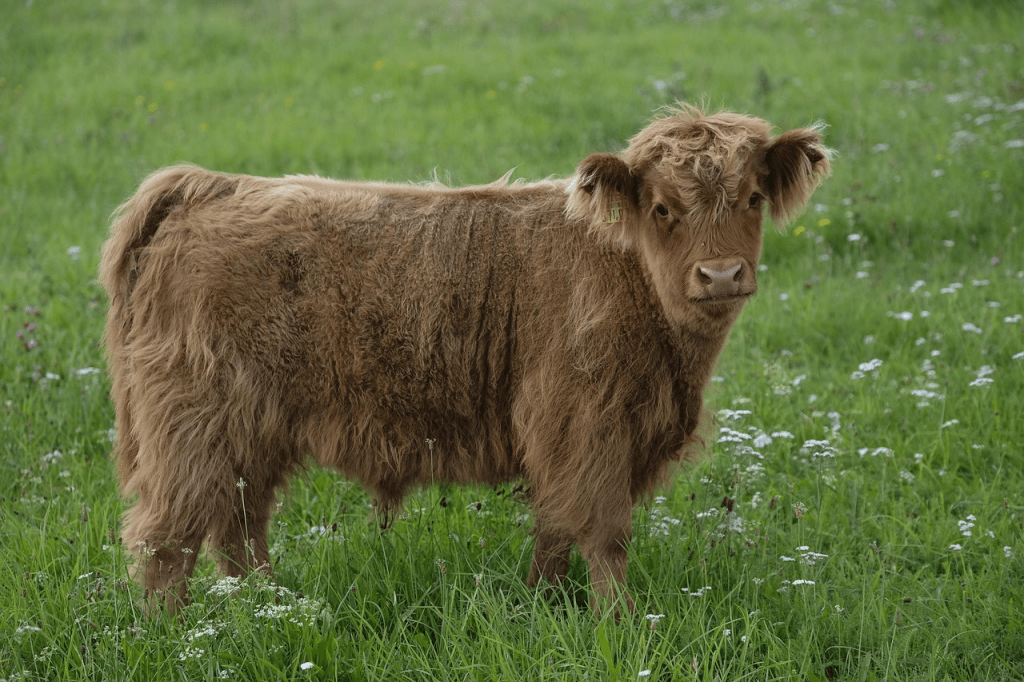
You don’t have to book a transatlantic flight to the misty glens of Scotland to look into the soulful, fringe-covered eyes of a “Heilan Coo.” While their ancestral roots are firmly planted in the rugged Scottish Highlands, these shaggy, docile animals have become an absolute sensation across the Atlantic. From the rolling green pastures of Vermont to the sprawling, sun-drenched ranches of Texas, these iconic bovines are now a staple of American agritourism and hobby farming.
Whether you are a professional photographer seeking that perfect rustic shot, a family wanting a hands-on agricultural experience, or an animal lover who simply needs to brush a cow, there are dozens of accessible places across the country to find them. However, because most of these animals in America live on private property rather than open public moorland, finding them requires a bit more coordination than a drive through the Isle of Skye.
This comprehensive guide explores the premier locations to find these majestic animals in the U.S., covering specific farms, regional hotspots, and the best ways to secure an up-close encounter.
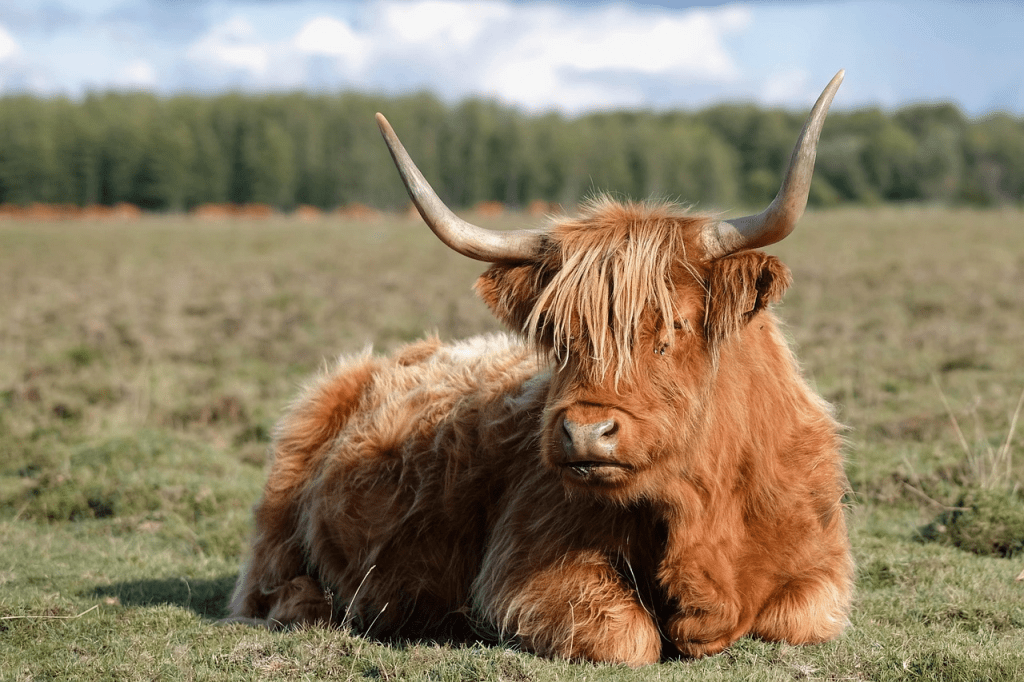
The Landscape of American Highland Cattle
These animals were first imported to the United States in the late 1800s, primarily to improve the hardiness of domestic beef herds. However, their popularity has exploded in the last decade, driven by their photogenic nature and famously calm temperament. Today, they can be found in nearly every state, though they are most densely populated in northern climates that mimic the cool, damp weather of the United Kingdom.
The primary registry for the breed in the country represents thousands of animals and hundreds of dedicated breeders. When looking for an encounter, you will generally find three types of locations:
- Agritourism Destinations: Farms specifically designed for public interaction, offering structured tours, photography sessions, and “cow cuddling.”
- Working Ranches: Larger operations focused on breeding or high-quality beef production; these often require a pre-scheduled appointment and may have less “hands-on” interaction.
- Livestock Exhibitions: State fairs and regional shows where the best examples of the breed are displayed for competition and education.
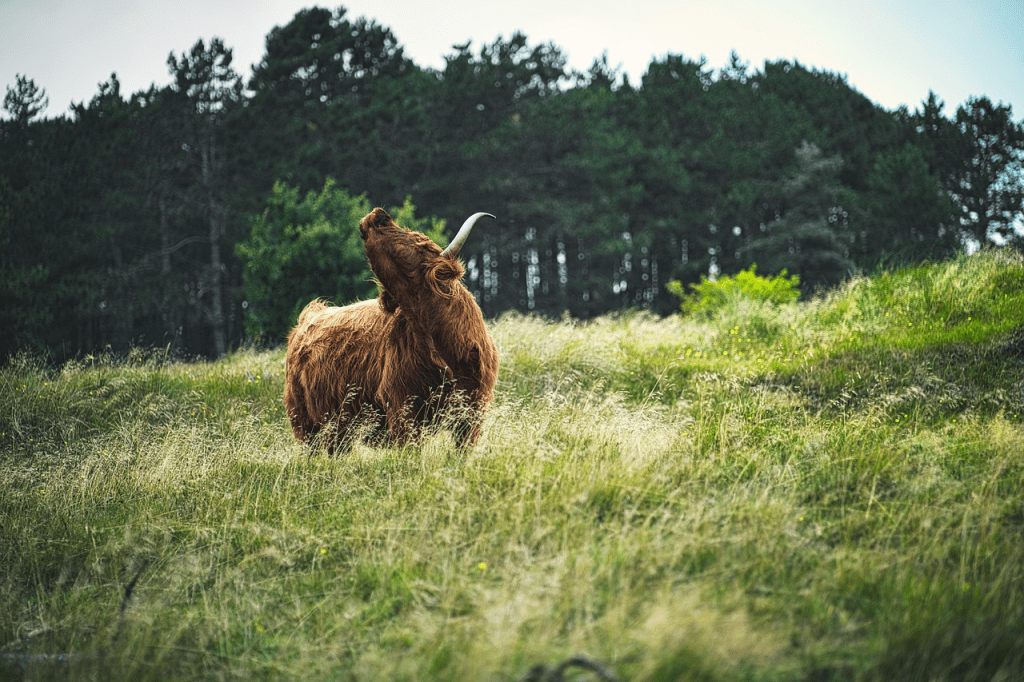
Premier Locations to Find Highland Cattle in the U.S.
If you are ready to begin your journey, these specific regions and farms offer some of the highest-quality visitor experiences currently available.
New England: The “Scotland of the West”
New England is arguably the best region to find these animals. The climate—characterized by long, snowy winters and lush, temperate summers—is a perfect biological match for their thick double coats.
- Miles Smith Farm (New Hampshire): Located in Loudon, this farm has gained national attention for its “cow therapy” programs. They offer immersive sessions where visitors can sit in the pasture, brush the animals, and learn about their gentle nature. It is a deeply tactile experience that goes far beyond looking at an animal through a fence.
- Green Mountain Highlands (Vermont): Vermont is quintessential territory for this breed. The state’s rocky, vertical terrain is exactly what they evolved to manage. Driving the backroads through the Mad River Valley or near Woodstock often results in sightings of “folds” (the collective name for the breed) grazing against a backdrop of fall foliage.
The Midwest: A Hub for Breeders
The American Midwest is the heart of the breeding community. If you are traveling through the “Heartland,” you are never far from a high-quality fold.
- Happy Trails Farm Sanctuary (Ohio): While this is primarily a rescue organization, they frequently have these cattle in their care. Visiting here allows you to see the animals while supporting a mission of animal welfare and rehabilitation.
- Gress Highland Cattle (Wisconsin): Wisconsin’s rolling drumlins and dairy heritage make it a natural fit. Many farms in this region participate in agricultural stay programs, allowing travelers to park a camper or stay in a farmhouse literally steps away from the pasture.
Texas: The Rising Lone Star Trend
It may seem counterintuitive to keep a shaggy, cold-weather cow in the heat of Texas, but the “Miniature” version of the breed has taken the state by storm. Texas breeders have become experts in environmental management to accommodate them.
- D&S Highland Farm (Texas): Situated near the Dallas-Fort Worth metroplex, this farm frequently hosts open house days. They are known for their “Highbelt” crosses (a mix with the Belted Galloway) and purebred miniatures. To manage the heat, many Texas ranches utilize sophisticated misting stations and deep-shade groves, making for unique photography opportunities.
The Pacific Northwest: Mist, Moss, and Mountains
With a climate that nearly perfectly mirrors the West Coast of Scotland, Washington and Oregon are natural havens for the breed.
- Promised Land Farm (Washington): Nestled in the scenic beauty of the PNW, farms in this area often offer guided tours where visitors can feed the animals specialized treats. The combination of evergreen forests, morning mist, and shaggy cattle provides the most “authentic” Scottish aesthetic available in the lower 48 states.
The Southeast: Appalachian Pioneers
- Bearwallow Mountain (North Carolina): For those who enjoy hiking, this is a “must-visit.” A local fold is used for conservation grazing at the summit of Bearwallow Mountain near Asheville. Hikers are often greeted at the peak by grazing cattle, offering a 360-degree view of the Blue Ridge Mountains that is truly world-class.
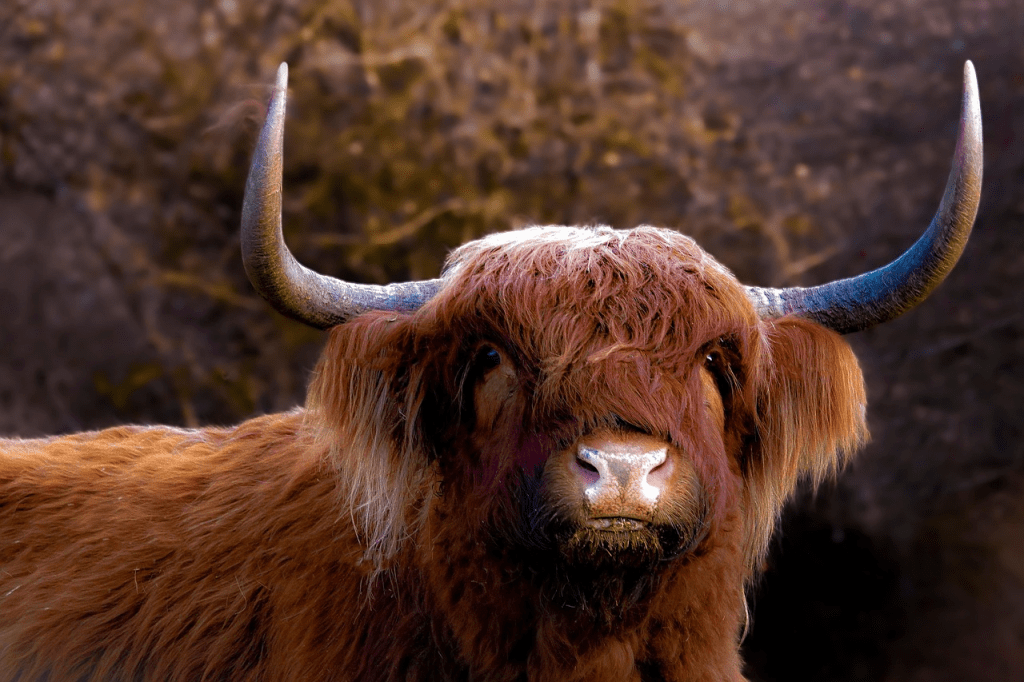
Navigating Private Property and Agritourism
Unlike the “Right to Roam” laws in Scotland, which allow for significant public access to rural land, most land in the United States is strictly private. You cannot simply pull over on a highway and walk into a field to pet an animal.
The Importance of Booking
Because of the immense popularity of these animals on social media, many farms have had to move to a strict “by appointment only” model to protect the welfare of the cattle and the privacy of the farm families.
- Scheduled Encounters: Always check a farm’s website or social media presence before departing. Many offer 30-minute to 1-hour slots that include a guide who can explain the hierarchy and personality of the herd.
- Agricultural Stays: Platforms like Harvest Hosts or Airbnb “Experiences” are excellent tools for finding legitimate farm stays where you can observe the daily rhythm of the animals in a relaxed, non-commercial setting.
Optimal Timing for Your Visit
The physical appearance of the breed changes significantly throughout the year, influenced by the American climate and the animals’ natural shedding cycles.
Spring: Calving and Playfulness
From April through June, most farms experience their “calving season.” This is the best time to see young calves, which are famously called “fluffy nuggets” by enthusiasts. These calves are highly active, often engaging in “zoomies” across the pasture, and their woolly coats are at their softest.
Summer: The Shedding Season
As temperatures rise, the cattle naturally “blow” their thick winter undercoats. During the peak of summer, they may look a bit “patchy” or less shaggy than they appear in winter photos. This is the best time for attending county fairs and livestock exhibitions where the animals are professionally groomed and “fitted” for show.
Fall: The Photographer’s Dream
Autumn is arguably the most beautiful time for a visit, particularly in the Northeast or the Blue Ridge Mountains. The changing colors of the leaves provide a stunning natural frame for the ginger, black, and dun-colored coats of the cattle.
Winter: The Majestic “Coo”
If you want to see the breed in its most iconic form, visit during the winter. Their coats reach maximum thickness and length to protect them from the cold. Seeing a bull with snow matted into its long fringe is the quintessential image that most travelers are searching for.
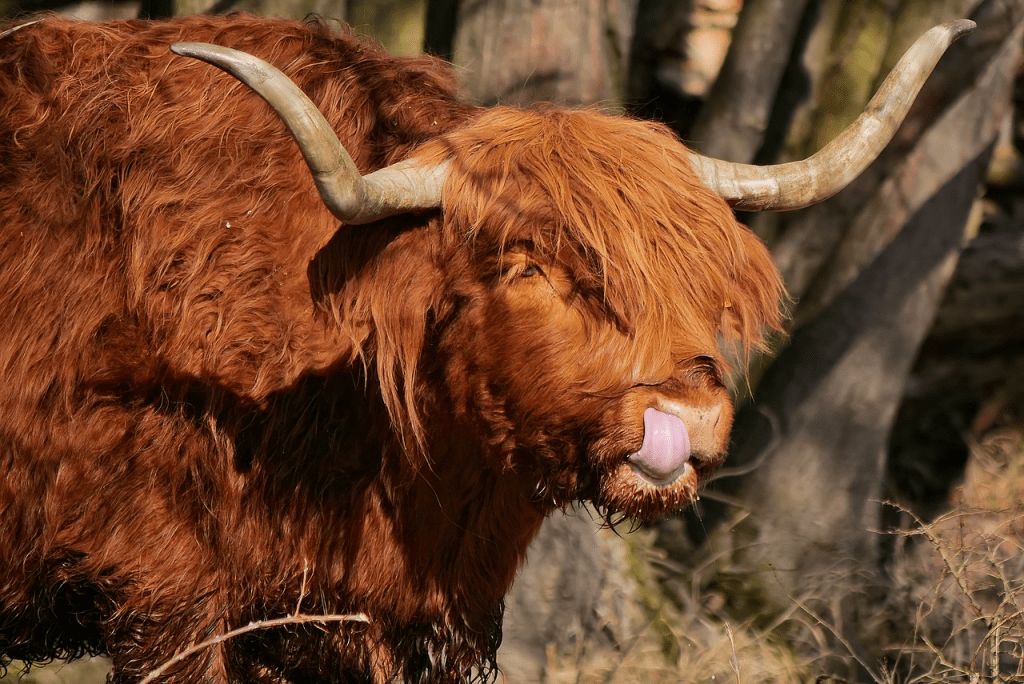
Essential Etiquette and Safety Tips
While these animals are known for their docile nature, they are still large livestock weighing between 1,000 and 1,500 pounds. Safety should always be your first priority.
- Check Local Social Media: Small farms often use Facebook or Instagram for real-time updates. If a mother is currently calving, the farm may be closed to the public to give her space.
- Appropriate Footwear: Farm fields are uneven and often muddy. Wear sturdy, closed-toe boots. Even a gentle step from a cow can cause injury if you are wearing sandals or light sneakers.
- Respect the Maternal Instinct: A mother with a new calf is the only time this breed can become aggressive. Never attempt to get between a cow and her calf for a photo.
- No Unsanctioned Feeding: Never feed the animals without the owner’s permission. Many “human foods” can cause fatal bloat or digestive distress in ruminants.
The Rising Trend of “Miniature” Highlands
A significant portion of the growth in the U.S. market is centered on “Miniature” and “Mid-Sized” cattle. While not a separate breed by registry standards, these smaller animals are highly sought after for smaller “boutique” farms and petting zoos. They possess all the shaggy charm of the standard breed but in a more manageable size for those with limited acreage. When searching for locations, you will find that many “petting-style” farms specifically advertise these smaller varieties.
Sample Itineraries by Region
The New England Loop (3 Days)
- Day 1: Start in Southern New Hampshire at Miles Smith Farm for a guided brushing session.
- Day 2: Drive across into Vermont, stopping in the Woodstock area to view local scenic folds.
- Day 3: Visit a local creamery or farm stand in the Mad River Valley that features “merchandise” and viewing areas for their resident cattle.
The Midwest Circuit (2 Days)
- Day 1: Visit a major breeding operation in Ohio during an “Open Barn” event.
- Day 2: Head into the rolling hills of Wisconsin to stay at a farm-based RV site or guesthouse surrounded by the herd.
Final Thoughts
The magic of the “Heilan Coo” is no longer restricted to the Scottish Isles. By supporting local agritourism and respecting the farmers who raise these animals, you can enjoy a profound connection with one of the world’s most ancient and beautiful livestock breeds right here in the United States. Whether you are seeking “cow therapy” or the perfect photograph, the shaggy legends are waiting for you in pastures across the country.
Frequently Asked Questions
Where is the best place to find them in the U.S.?
The highest concentrations are in Vermont, Ohio, and Wisconsin. These states have well-established breeding communities and many public-facing agritourism farms.
Can I find them in warmer states like Florida?
Yes, but they are much rarer. In Southern states, you will primarily find them on farms that have invested in specialized cooling infrastructure like heavy shade, fans, and misting systems.
Is it okay to just show up at a farm?
No. Most of these locations are private residences and working businesses. Always book an appointment or check for “Open Farm” hours to respect the owners’ privacy and the animals’ schedule.
Are they safe for children?
Generally, yes. They are one of the most docile breeds of cattle. However, children should always be supervised, as the sheer size of the animal and its long horns can lead to accidental bumps.
How much space do they need?
If you are visiting a farm to see their setup, you will notice they usually require about 1 to 2 acres per animal to maintain healthy pasture and prevent the ground from becoming over-trodden.
 Fluffy Highlands