If you are planning a trip to the land of rugged mountains, mist-covered lochs, and ancient castles, there is likely one specific hairy face you are dying to see in person. The Highland cow—or the “Heilan Coo” as the locals call them—is the undisputed unofficial mascot of Scotland. With their majestic swept-back horns and ginger, shaggy fringes, they are a photographer’s dream and a traveler’s favorite sight.
But despite being the face of every postcard in Edinburgh, they aren’t just standing on every street corner. To find Highland cows in Scotland, you need to know exactly where to look, from the lowlands of the Trossachs to the windswept cliffs of the Outer Hebrides.
In this guide, we will break down the absolute best places to see Highland cows in Scotland, covering everything from roadside surprises to dedicated farm experiences. Whether you want to photograph a calf in the spring or see a massive bull in a snowy glen, this is your complete roadmap.
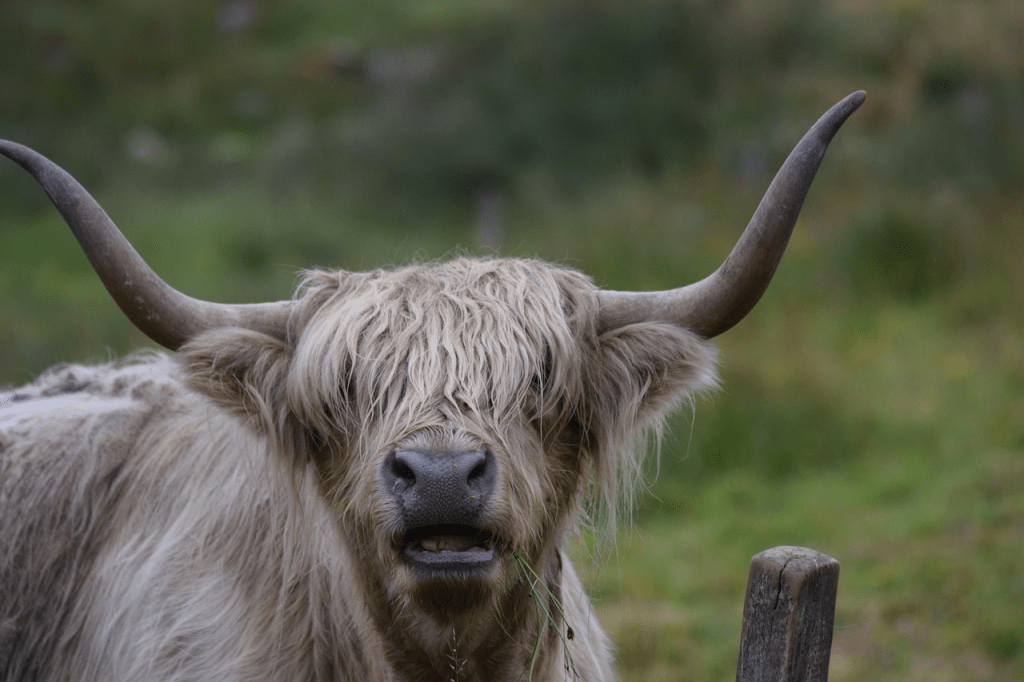
Where to See Highland Cows in Scotland: An Overview
The first thing to understand is that while these animals look like prehistoric creatures of the wild, they are domesticated livestock. You won’t find them “wild” in the sense of deer or pine martens, but in the Scottish Highlands, the line between farm and wilderness is beautifully blurred.
Many folds (the collective noun for Highland cattle) roam across massive “communal grazings” or open hillsides, particularly in the North and West. However, if you are on a tight schedule, your best bet is to visit known farms, National Parks, and specific scenic viewpoints where they are known to congregate.
Best Places to See Highland Cows in Scotland
If you are hunting for that perfect photo of Highland cows in Scotland, these ten locations offer the highest probability of a sighting combined with the most stunning backdrops the country has to offer.
1. Glencoe: The Heart of the Highlands
Glencoe is perhaps the most famous glen in Scotland, known for its dark history and towering peaks. It is also one of the most reliable Highland cow locations in Scotland.
- Where to look: Keep an eye out near the Kingshouse Hotel. While the famous resident deer often steal the show, Highland cows are frequently seen grazing in the marshy fields nearby.
- Photography Tip: The light in Glencoe changes every five minutes. Wait for a break in the clouds to catch the sun hitting the ginger coat of a cow against the dark, moody mountains behind them.
2. The Trossachs: Loch Katrine and Callander
Located just an hour north of Glasgow, the Trossachs offer a “mini-Highlands” experience. The town of Callander is often cited as the gateway to the Highlands and is a hotspot for bovine enthusiasts.
- Where to look: Visit the Kilmahog area just outside Callander. There are often several cows kept in the fields near the Lade Inn and the local woollen mills.
- Accessibility: This is one of the most accessible spots for those who aren’t planning to drive all the way to the far North.
3. The Isle of Skye: Wild and Rugged
On the Isle of Skye, the cows often have the best views in the world. Because much of the island operates on a “crofting” system, animals often roam closer to the roads than in the south.
- Where to look: The road to Elgol is a classic spot. You might find yourself in a “Scottish traffic jam”—which is just a fold of cows refusing to move from the middle of the single-track road.
- Insider Tip: Check the fields near the Sligachan Hotel. The backdrop of the Black Cuillin mountains makes for a world-class photograph.
4. Cairngorms National Park: Rothiemurchus Estate
The Cairngorms is Britain’s largest National Park and a haven for wildlife. For a guaranteed sighting, the Rothiemurchus Estate near Aviemore is the place to go.
- What makes it special: They offer “Hairy Coo Safaris” where you can get up close in a Land Rover to learn about the fold.
- Likelihood: 100%. This is a managed estate where the cows are a primary attraction.
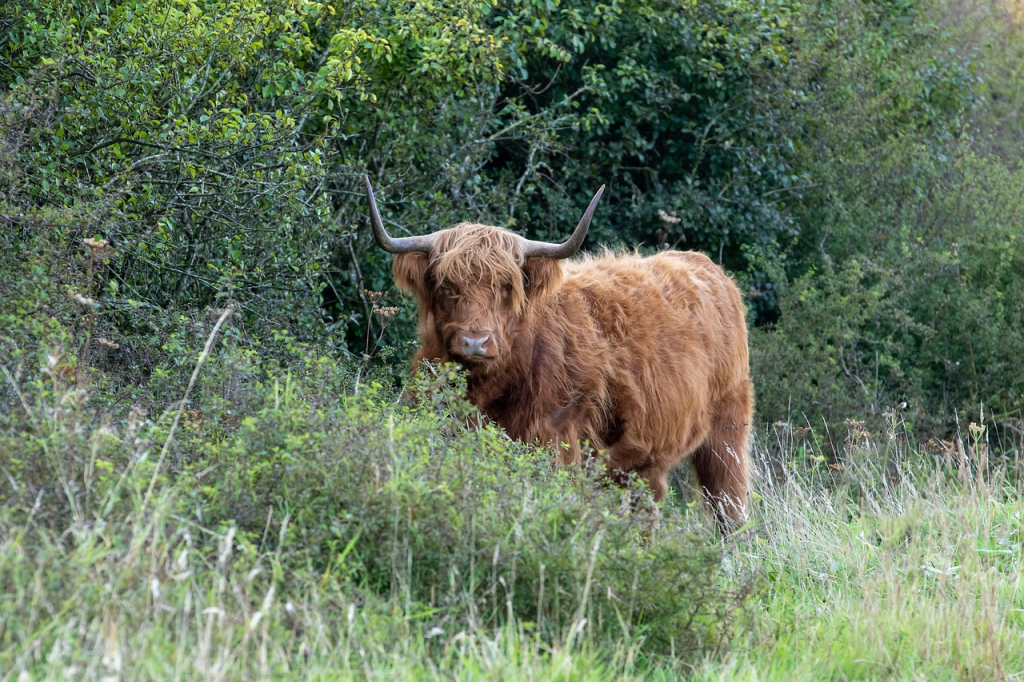
5. Duirinish and Plockton: The Coastal Cows
Near the bridge to Skye lies the charming village of Duirinish. This is one of the few places where the cows truly rule the village.
- The Experience: The cows here are famous for wandering through the streets and drinking from the local stream. It feels like stepping back 200 years in time.
- Nearby: Visit the nearby village of Plockton for palm trees (thanks to the Gulf Stream) and occasional seaside cattle sightings.
6. Pollock Country Park: Glasgow’s Hidden Gem
You don’t even have to leave the city to see Highland cows in Scotland. Pollok Country Park in Glasgow is home to an award-winning fold of Highland cattle.
- Accessibility: Perfect for those on a short city break. You can take a quick train or bus from Glasgow city center and be standing in a field with prize-winning cows in 20 minutes.
- Fun Fact: The Glasgow City Council has managed this fold for decades, and they are some of the most well-kept examples of the breed.
7. Scone Palace: Perthshire Royalty
The crowning place of Scottish Kings is also a great place to spot some regal-looking cattle. Scone Palace maintains a small fold on its historic grounds.
- The Backdrop: Seeing a Highland cow grazing with an ancient palace in the background is a unique “Lowland” experience that feels incredibly grand.
8. The North Coast 500 (NC500)
If you are driving Scotland’s answer to Route 66, you are almost guaranteed to see them. The stretch between Applecross and Ullapool is particularly famous for roadside sightings.
- The Pass: Driving the Bealach na Bà (Pass of the Cattle) is an adventure in itself, and you will often find cows at the summit looking out over the Atlantic.
Can You See Highland Cows in the Wild?
A common misconception for travelers is that Highland cows are “wild animals” like bison. In reality, every Highland cow you see belongs to a farmer or an estate.
However, because the Scottish “Right to Roam” laws and traditional crofting practices allow animals to graze on open hills, they often feel wild. You will frequently find them miles from the nearest farmhouse, wandering through heather and peat bogs.
Realistic Expectations:
- You will rarely see them in the middle of a forest; they prefer open moorland and grassy glades.
- During the heat of summer, they move to higher ground to find wind (to escape midges), making them harder to spot from the road.
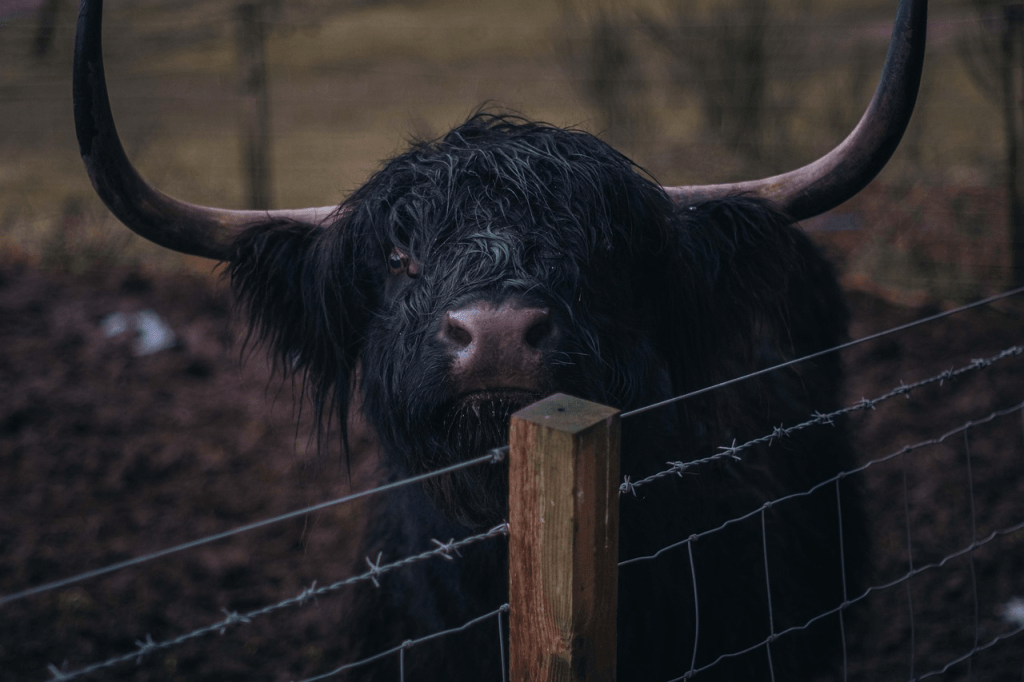
Best Time to See Highland Cows in Scotland
The look of a Highland cow changes dramatically with the seasons. Depending on when you visit, you will get a very different experience.
Spring (March – May): The Season of Calves
If you want to see “baby coos,” this is the time. Highland calves are born throughout the spring and are incredibly fluffy and playful.
- The Look: The adults are beginning to shed their heavy winter coats, so they may look a bit “shaggy” or untidy.
Summer (June – August): Lush Scenery
The Highlands are at their greenest. This is the best time for hiking to find folds in more remote areas.
- The Look: The cows have thinner coats to deal with the heat. Be prepared for midges (tiny biting flies)—if the midges are bothering you, they are bothering the cows too!
Autumn (September – November): Golden Hues
The heather turns purple and the bracken turns orange, matching the ginger coats of the cows perfectly.
- The Look: Their winter coats begin to grow back in, giving them that iconic “thick” look that photographers love.
Winter (December – February): The Classic Look
This is arguably the best time for photography. Seeing a Highland cow with snow on its horns and a thick, frosted coat is the ultimate Scottish image.
- The Look: They are at their fluffiest and most impressive. To understand why they look like this, see our article on why Highland cows are so fluffy.
Tips for Seeing Highland Cows in Scotland
To make the most of your “cow spotting” expedition, keep these practical tips in mind.
- Drive the Backroads: While you might see them from the A82 (the main road through the Highlands), you are much more likely to find them on “B” roads and single-track lanes.
- Look for the “Dossan”: If you see a shape in the distance that looks like a boulder with hair, use your binoculars or camera zoom. Their fringe (the dossan) often hides their eyes, making them look like inanimate objects from afar.
- Respect the Land: Always follow the Scottish Outdoor Access Code. Close gates behind you and never disturb a fold if there are young calves present.
- Photography Etiquette: Use a zoom lens. While they are docile, a 1,000-pound mother cow can be very protective of her calf if you get too close with a smartphone.
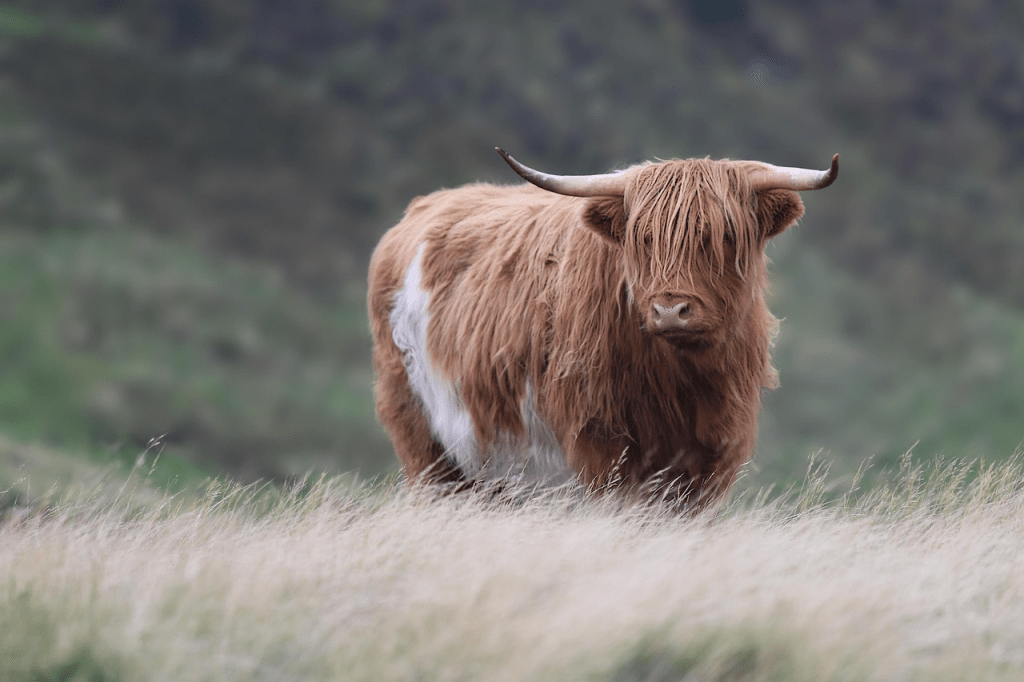
Are Highland Cows Friendly to Visitors?
Generally, Highland cows are known for their calm and gentle temperament. They have lived alongside humans for centuries. However, they are still large livestock.
- Do Not Feed Them: Human food can make them sick, and feeding them “treats” teaches them to approach tourists aggressively, which can lead to accidents.
- Watch the Horns: Even a “friendly” cow can accidentally hit you when swinging its head to shoo a fly. Their horn span can be over 3 feet!
- Dogs: If you are traveling with a dog, keep it on a short lead. Cows view dogs as predators and may charge to protect their young.
Why Highland Cows Are So Iconic in Scotland
These cows are more than just a tourist attraction; they are a vital part of Scotland’s agricultural history. They are the oldest registered breed of cattle in the world, with the first herd book dating back to the 1880s.
Historically, they were kept by crofters to provide milk and meat. In the winter, the cows would often be brought into the “blackhouse” (the traditional Highland home), where their body heat helped keep the family warm. This close proximity to humans is why they are so famously docile today.
Sample 3-Day “Coo Trail” Itinerary
If you only have a few days, follow this route for the best chances of seeing Highland cows in Scotland:
- Day 1: Glasgow to Callander. Visit Pollok Country Park in the morning, then drive north to Callander to see the roadside folds at Kilmahog. Stay overnight in the Trossachs.
- Day 2: Glencoe and the Road to the Isles. Drive through the dramatic pass of Glencoe (keep your eyes peeled!). Continue toward Mallaig and take the ferry to Skye.
- Day 3: Isle of Skye. Spend the morning driving the road to Elgol to see the “free-roaming” folds. In the afternoon, visit the Sligachan area before heading back to the mainland.
Final Thoughts on Seeing Highland Cows
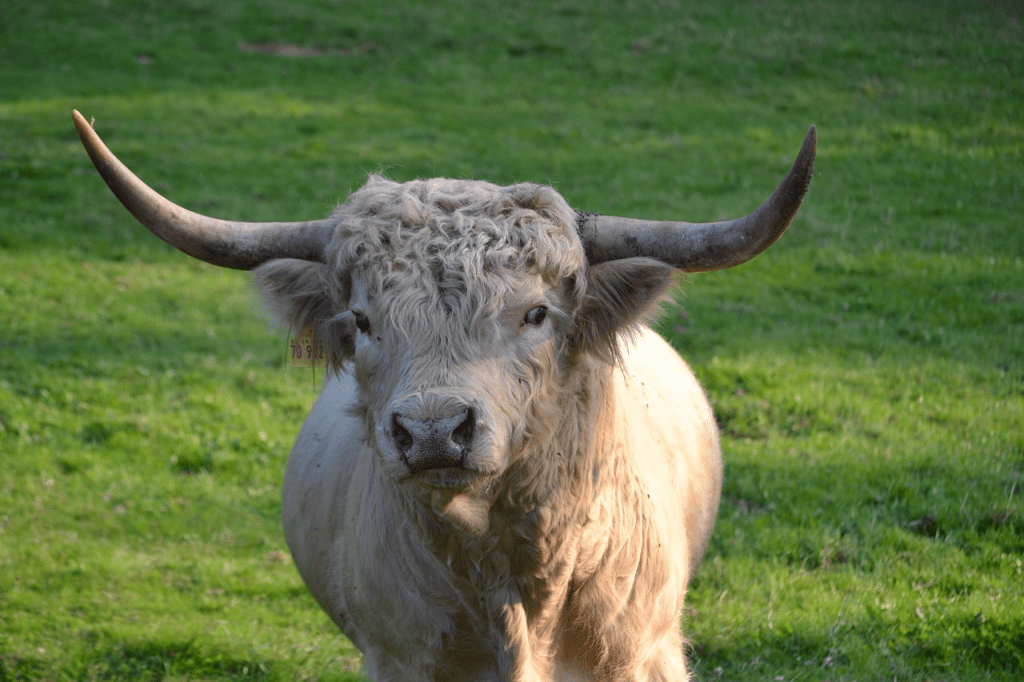
There is something truly magical about seeing a Highland cow in its natural element. Whether it’s a lone bull standing against a misty loch or a group of calves playing in the heather, it is an experience that stays with you long after you’ve left Scotland.
By visiting the locations mentioned above and following local advice, you are almost guaranteed to find these shaggy legends. Just remember to bring a raincoat, a spare camera battery, and plenty of patience!
For more on the history of this amazing breed, read our post: What Are Highland Cows?.
FAQs
Where can I see Highland cows in Scotland?
The best places are Glencoe, the Isle of Skye, Pollok Country Park (Glasgow), and the Cairngorms National Park.
Are Highland cows easy to find?
Yes, if you head toward the Highlands or visit specific farms. However, they aren’t everywhere, so it pays to have a plan.
Can you pet Highland cows?
It is not recommended. While they look soft, they are large animals with sharp horns. Some “petting farms” allow for controlled interaction, but you should never approach an unknown animal in a field.
Are Highland cows wild?
No, they are a domesticated breed of cattle, though they are often left to roam in large, open areas that feel wild.
What time of year is best?
Spring for calves and Winter for the thickest, most iconic “fluffy” coats.
 Fluffy Highlands