If you have ever seen a Highland cow standing stoically in a swirling Scottish snowstorm, you might assume they are invincible. With their double-layered shaggy coats and ancient heritage, these animals are built for some of the most unforgiving climates on Earth. However, for the modern homesteader or hobby farmer, a common question arises: do Highland cows need shelter, or is their natural “fluff” enough to keep them safe?
The short answer is yes. While Highland cattle are exceptionally hardy, providing proper shelter for Highland cows is a fundamental requirement for responsible animal husbandry. Even the most resilient bovine needs a break from the elements to maintain its body condition, reduce metabolic stress, and stay healthy.
In this comprehensive guide, we will break down everything you need to know about housing for Highland cattle, from simple windbreaks to permanent barn structures, ensuring your “Heilan Coos” stay comfortable year-round.
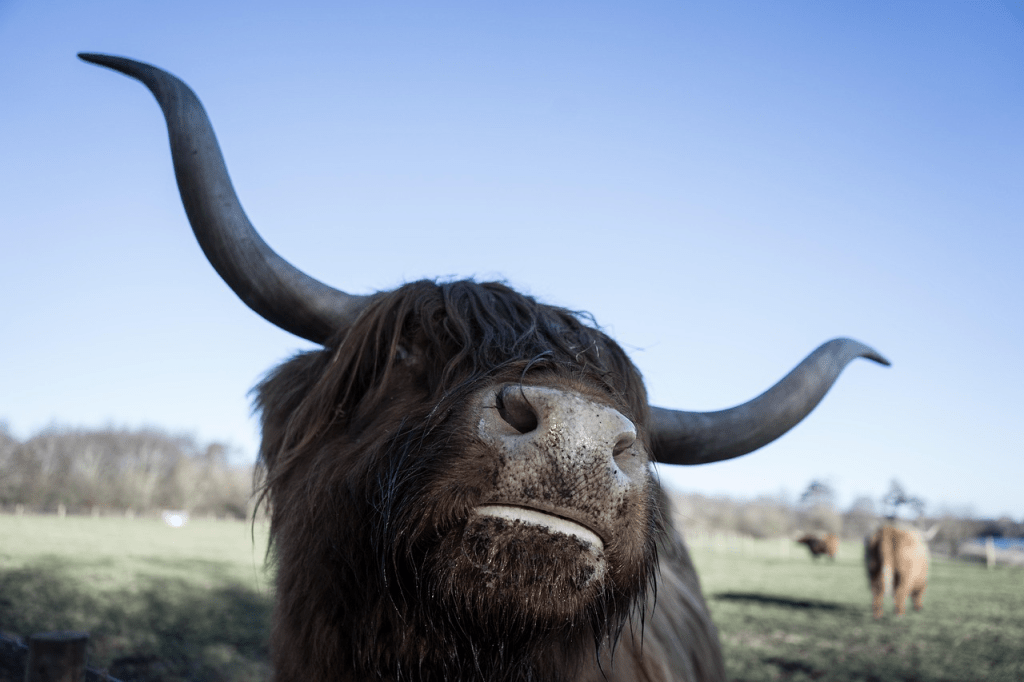
Do Highland Cows Need Shelter?
To understand the shelter needs of this breed, we have to look at their origin. Highland cattle evolved in the Scottish Highlands—a place famous for horizontal rain, damp cold, and relentless Atlantic winds. They adapted by growing a specialized double coat: a downy, warm undercoat and a long, oily outer coat that sheds water.
Because of this natural insulation, they do not need the same airtight, heated housing that a thin-skinned dairy cow might require. In fact, keeping Highland cows in a closed, poorly ventilated barn can actually make them sick. However, they do require protection from “the three thieves” of bovine body heat: driving wind, constant soaking rain, and extreme summer sun.
The Limits of Hardiness
A Highland cow can comfortably handle temperatures well below freezing as long as their coat stays dry and they are out of the wind. Once that coat becomes saturated with water and the wind begins to whip through the fur, the “insulation” value drops significantly. Providing a dry place to escape these conditions is the difference between a thriving cow and one that struggles to maintain weight.
Why Shelter Is Important for Highland Cows
Providing a Highland cattle shelter setup isn’t just about being kind; it’s about biology. When a cow is stressed by weather, its body redirects energy from growth, milk production, and immune function toward simply staying alive.
1. Protection from Extreme Weather
- Heavy Rain: Constant moisture can eventually penetrate the oily outer guard hairs. Once the downy undercoat gets wet, the cow loses its ability to trap heat.
- Wind: Wind “peels” the layer of warm air away from the cow’s body. A simple windbreak can reduce the perceived cold by 20 degrees or more.
- Snowstorms: While snow often sits on their backs without melting (a sign of great insulation), heavy drifts can bury calves or make foraging impossible.
- Heat: This is the most overlooked danger. Highlands are built for cold. In temperatures above 25°C (77°F), they can suffer from heat stress and desperately need deep shade and airflow.
2. Maintaining Health and Comfort
A dry resting area is essential for preventing “hoof rot” and respiratory issues. If a cow is forced to stand in mud or frozen slush 24/7, its hooves will soften and become prone to infection. A sheltered, bedded area allows them to lie down, chew their cud (vital for digestion), and rest their joints.
3. Preventing Mud and Poor Ground Conditions
Concentrating your cattle in a muddy field during a wet winter creates “pugged” soil that can take years to recover. A dedicated shelter area with proper drainage helps protect your pasture while keeping your animals clean.
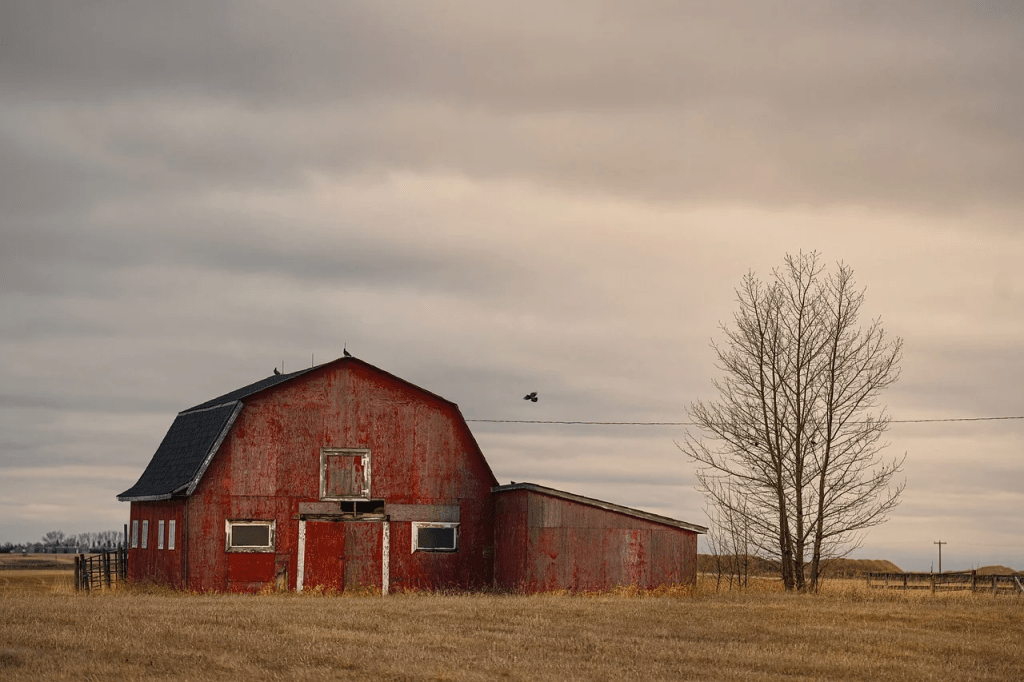
Types of Shelter for Highland Cows
There is no “one-size-fits-all” approach to housing for Highland cattle. The best choice depends on your local climate, the number of animals you have, and your budget.
Natural Shelter
If your property features dense stands of evergreens, deep valleys, or thick cedar groves, you may already have “natural” shelter. Trees act as a canopy against rain and a porous wall against wind. However, natural shelter often fails during extreme, multi-day storms or during the heat of summer when bugs are prevalent in the woods.
Three-Sided Shelters (Run-in Sheds)
This is the gold standard for Highland cow shelter. A three-sided structure, typically built with a sloped roof and the open side facing away from the prevailing winds, provides exactly what the breed needs: protection from rain and wind without sacrificing ventilation.
- Pros: Cost-effective, excellent airflow, easy to clean with a tractor.
- Cons: Stationary; the ground around the entrance can become muddy if not properly prepared.
Barns and Enclosed Structures
Full barns are rarely necessary for Highlands unless you are in an area with extreme, life-threatening arctic blasts or if you are calving in the dead of winter. If you use a barn, it must be designed with high ceilings and open eaves to allow moisture and ammonia from urine to escape.
Portable Shelters
For small farms practicing rotational grazing, portable shelters built on “skids” or trailers are excellent. You can move the shelter with a tractor to a fresh patch of grass, preventing any one area from becoming a mud pit.
Comparison Table: Shelter Types
| Shelter Type | Protection Level | Ventilation | Cost | Best For |
| Natural (Trees) | Moderate | Excellent | $0 | Mild climates / backup |
| Three-Sided | High | Excellent | Moderate | Most Highland owners |
| Enclosed Barn | Maximum | Poor (needs help) | High | Calving / Extreme North |
| Portable | High | Excellent | Moderate | Rotational grazing |
What Makes a Good Highland Cow Shelter?
When building or buying a structure, several technical Highland cow barn requirements must be met to ensure it actually helps the animals rather than harming them.
1. Proper Ventilation
This is the most critical factor. Cattle produce an immense amount of moisture through their breath and waste. In an airtight building, this moisture hangs in the air, creating a “cold-damp” environment that leads to pneumonia. A good shelter should always have a gap at the top of the walls or a vented ridge to allow air to circulate.
2. Dry Ground and Drainage
Never build a shelter in a low-lying spot. The floor of the shelter should be slightly higher than the surrounding ground. Many owners use a base of crushed limestone or “screenings” topped with bedding to ensure urine drains away and the cows aren’t standing in a slurry.
3. Orientation
In North America, prevailing winter winds usually come from the North or West. Therefore, the open side of a three-sided shed should typically face South or East. This keeps the wind out while allowing the low winter sun to shine in and warm the bedding.
4. Durable Materials
Highland cows have horns, and they will use them to scratch an itch against your shelter. Avoid thin “hobby-grade” siding. Use heavy-duty lumber, 2×6 horizontal boards, or thick metal siding protected by “rub rails” so the cows don’t dent the structure.
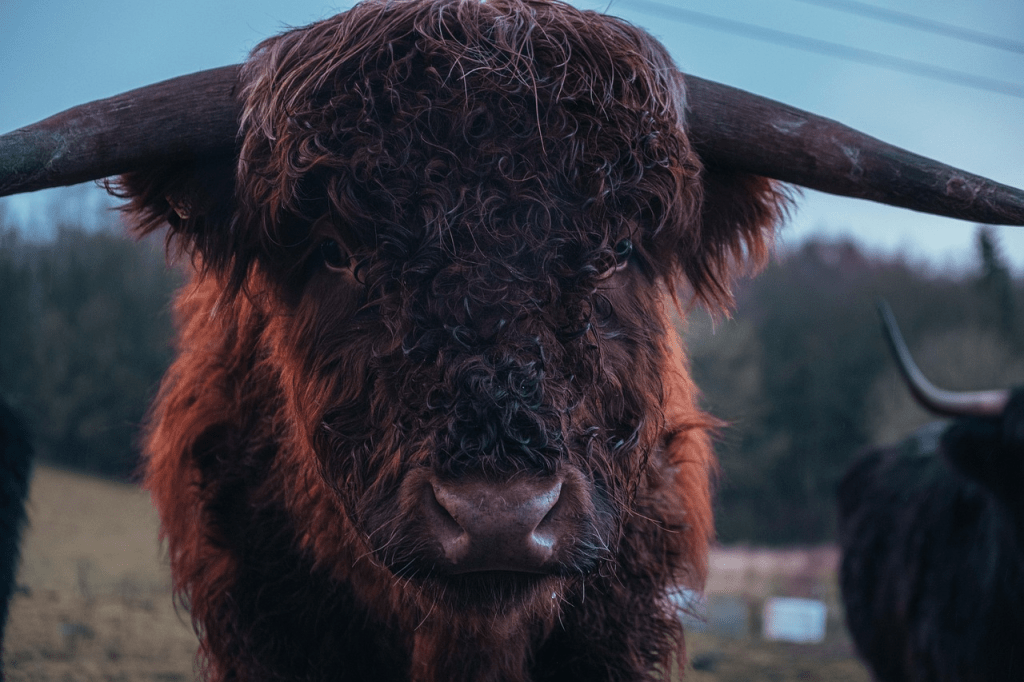
How Big Should a Shelter Be for Highland Cows?
Space is a major consideration because of their horns. If a shelter is too cramped, the “boss cow” will stand in the middle and prevent lower-ranking animals from entering, leaving them out in the cold.
- Rule of Thumb: Provide at least 40 to 50 square feet per adult cow.
- Example: For a starter pair of Highland cows, a 12′ x 10′ shed is the absolute minimum, but a 12′ x 20′ is much better to allow them to move around each other without horn collisions.
- Height: The roof should be at least 8 to 10 feet high. This allows for better airflow and ensures you can get a small tractor in to mucking out the bedding.
Shelter Needs by Season
Your Highland cattle shelter setup must work for 365 days a year, addressing very different environmental stressors.
Winter Shelter Needs
The goal in winter is to keep them dry and out of the wind. Bedding is essential here. Thick layers of straw or wood shavings provide a “nesting” effect where the cow can tuck its legs under its body and stay off the frozen ground. According to the University of Minnesota Extension, providing a dry place to lie down reduces the energy a cow needs to stay warm by up to 30%.
Summer Shelter Needs: The Danger Zone
Highlands struggle in the heat. Their thick coats are essentially permanent winter parkas. In the summer, your shelter acts as a “shade house.” It must have a high roof to prevent heat from radiating down onto the cows’ backs. Some owners even install large industrial fans in their run-in sheds to help move air and keep flies away during the humid months.
Rainy and Wet Conditions
In “mud season” (spring and fall), the shelter’s primary job is keeping the ground stable. Without a roofed area, the cattle will pace the fence lines in the rain, destroying your turf. A bedded pack inside the shelter gives them a place to stand without sinking into the mud.
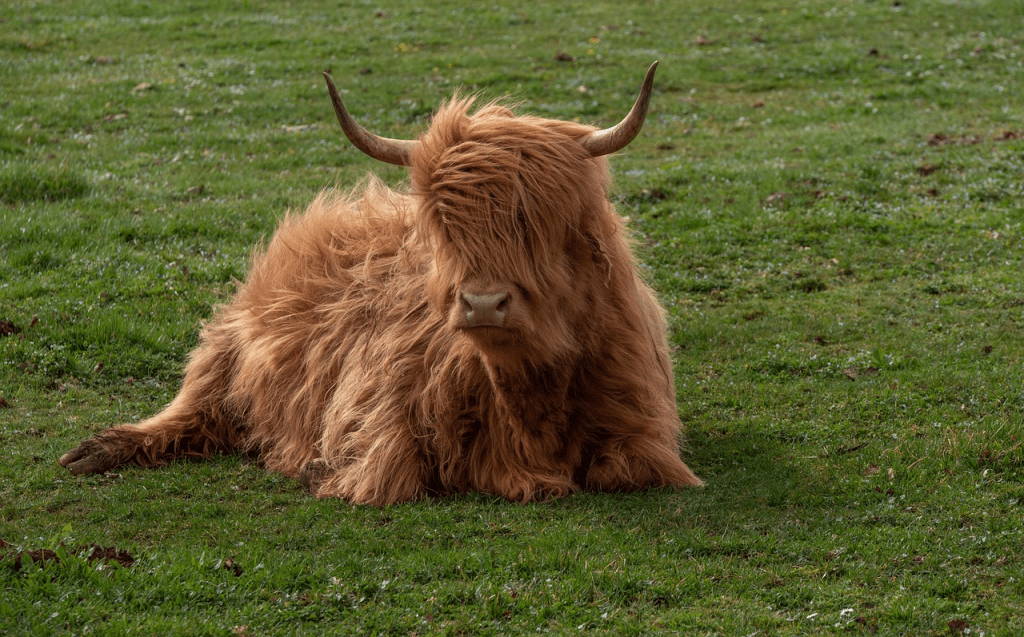
Bedding and Ground Management
What you put on the floor of the shelter is just as important as the roof.
- Straw: The classic choice. It is highly insulating because the stems are hollow and trap air. It is excellent for winter but can get heavy and “matted” quickly when wet.
- Wood Shavings: Very absorbent and great for soaking up urine, but they offer less “nesting” insulation than straw.
- Corn Stalks: A durable, cheap option in some regions, though less comfortable than straw.
- The “Deep Bedding” Method: Many Highland owners add fresh straw on top of the old layer all winter. The bottom layers actually begin to compost, generating a small amount of natural heat for the cows to lie on. You then clean it all out in the spring for excellent garden compost.
Common Shelter Mistakes to Avoid
- No Shelter at All: Thinking “they’re from Scotland, they’re fine” is a recipe for poor weight gain and vet bills.
- Poor Drainage: If water pools inside the shed, it becomes a bacteria factory.
- Lack of Airflow: Closing the fourth wall or “tarping” the front can trap ammonia and lead to lung infections.
- Weak Structures: If a Highland cow can knock it over by scratching its rump, it isn’t strong enough.
- Small Entrances: Narrow doors lead to “bottlenecks” where cows can get their horns caught or get bullied by more dominant herd members.
Cost of Shelter for Highland Cows
Budgeting for shelter for Highland cows depends on your DIY skills.
- DIY Three-Sided Shed: $1,000 – $2,500 in materials. Using “pole barn” construction (burying 4×4 or 6×6 posts) is the most cost-effective method.
- Pre-Built Run-in Shed: $3,000 – $6,000. Many shed companies now offer “livestock versions” with reinforced walls.
- Professional Pole Barn: $10,000+. This is a long-term investment that provides storage for hay as well as animal housing.
While the upfront cost is significant, remember that a good shelter pays for itself by reducing the amount of expensive hay your cows need to eat to stay warm in the winter.
Can Highland Cows Live Outside Year-Round?
Yes, they can—and they prefer it. Highland cattle are not meant to be kept in stalls like horses. They should have 24/7 access to their shelter but should never be “locked in” unless there is a medical reason.
In most climates, they will choose to stand out in the snow on a calm day, only retreating to the shed when the wind picks up or the rain becomes freezing. Giving them the choice is the hallmark of a good Highland cattle shelter setup.
Shelter Checklist for Beginners
Before you bring your first pair of Highland cows home, go through this list:
- [ ] Is the shelter located on high, well-drained ground?
- [ ] Does the open side face away from the prevailing winter wind?
- [ ] Is there at least 50 sq. ft. of space per animal?
- [ ] Are the walls reinforced to handle “horn scratching”?
- [ ] Is there a plan for winter bedding (straw/shavings)?
- [ ] Is there a gap for ventilation at the top of the walls?
Final Thoughts
While Highland cows are the undisputed kings of cold-weather resilience, they are not invincible. Proper shelter for Highland cows is about providing a refuge from the worst parts of nature so that their natural defenses can do the rest.
By focusing on ventilation, drainage, and “horn-proof” durability, you can create a habitat that keeps your cattle healthy, happy, and looking their shaggy best. For more information on getting started with this breed, check out our Ultimate Beginner’s Guide to Raising Highland Cows.
FAQs
Do Highland cows need a barn?
No, a fully enclosed barn is usually unnecessary and can even be harmful due to poor airflow. A three-sided run-in shed is the preferred housing for Highland cattle.
Can Highland cows stay outside in winter?
Absolutely. They are built for it. However, they must have access to a dry, wind-protected area where they can escape freezing rain or high winds.
What is the best shelter for Highland cows?
A three-sided run-in shed with a high roof, open eaves for ventilation, and the open side facing away from the wind is considered the best option.
Do they need bedding?
In the winter, yes. Providing straw or wood shavings allows them to stay off the frozen ground, which helps them conserve body heat and maintain their weight.
How big should a Highland cow shelter be?
You should plan for approximately 50 square feet per adult animal. This ensures that even the most timid cow has enough room to enter without being bullied by the more dominant members of the herd.

 Fluffy Highlands