If you have ever scrolled through social media and stopped at the sight of a ginger, woolly bovine that looks more like a giant pomeranian than a farm animal, you aren’t alone. These iconic “Heilan Coos” have become the global face of hobby farming, regenerative agriculture, and conservation grazing.
But behind those viral photos of fluffy calves lies a 1,000-pound animal with specific biological needs, ancient instincts, and a requirement for serious infrastructure. If you are wondering how to raise Highland cows, you’ve come to the right place.
Raising Highland cattle can be one of the most rewarding experiences for a smallholder or first-time farmer. However, it is not as simple as putting a “fluffy cow” in a backyard. To succeed, beginners must understand the breed’s unique environmental requirements, social temperament, and nutritional needs.
This ultimate guide will walk you through every stage of the process—from checking your local zoning to establishing a veterinary relationship—ensuring you are prepared for the beautiful reality of life with these majestic animals.
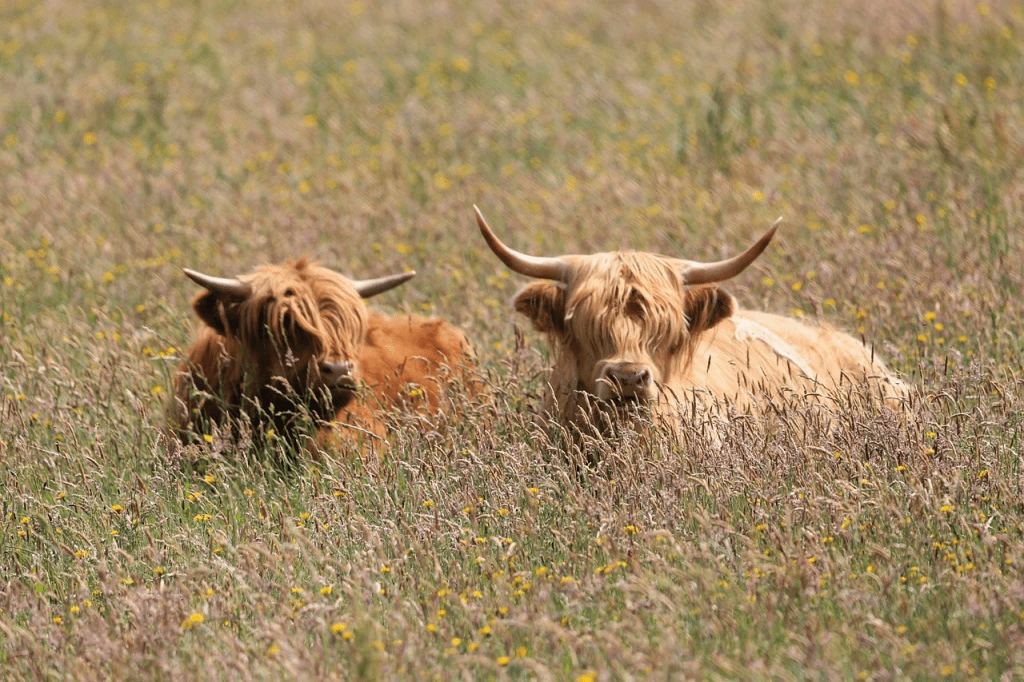
How to Raise Highland Cows: A Direct Overview
Successful Highland cow farming is a blend of land management, secure infrastructure, and consistent animal husbandry. Unlike modern commercial breeds that have been “improved” for rapid growth in feedlots, Highland cattle are a slow-growing, heritage breed that thrives on a more natural, forage-based lifestyle.
At its core, raising Highland cows involves five key pillars:
- Space: Providing enough acreage to prevent overgrazing and mud.
- Containment: Investing in heavy-duty fencing that can withstand 1,500-pound bulls and 3-foot horns.
- Nutrition: Managing high-quality forage (pasture and hay) alongside essential minerals.
- Shelter: Providing a windbreak and dry ground to escape driving rain or extreme sun.
- Observation: Developing the “stockman’s eye” to spot health issues before they become emergencies.
While Highland cattle are renowned for their hardiness, “hardy” does not mean “maintenance-free.” They require observant owners who can monitor body condition scores and understand herd dynamics.
Are Highland Cows Good for Beginners?
The short answer is yes—Highland cattle are widely considered one of the best “starter” breeds for new livestock owners. However, there are nuances to this recommendation that every beginner should consider before signing a purchase agreement.
Why they are beginner-friendly
Highland cows are famous for their docile temperament. They are generally less “flighty” and more predictable than commercial beef breeds like Angus or Charolais. Their extreme hardiness also means they are less likely to fall ill from minor weather fluctuations, which can be a relief for a novice owner who hasn’t yet learned to diagnose complex bovine illnesses.
Why they can still be challenging
Their greatest aesthetic asset—their horns—can also be their biggest management challenge. Even a gentle Highland cow can accidentally cause serious injury with a simple flick of her head to shoo a fly.
Furthermore, their long hair can hide weight loss, parasites, or skin issues. This means beginners must learn to “hands-on” evaluate their cattle—feeling for the ribs and spine—rather than just looking at them from a distance.
Who is the ideal Highland owner?
Highland cows are best suited for individuals who have at least a few acres of land, a calm demeanor, and the physical ability to maintain fences and haul 50-pound hay bales. If you are looking for a “lawnmower” that doubles as a majestic companion and a source of high-quality, lean beef, the Highland is a perfect fit.
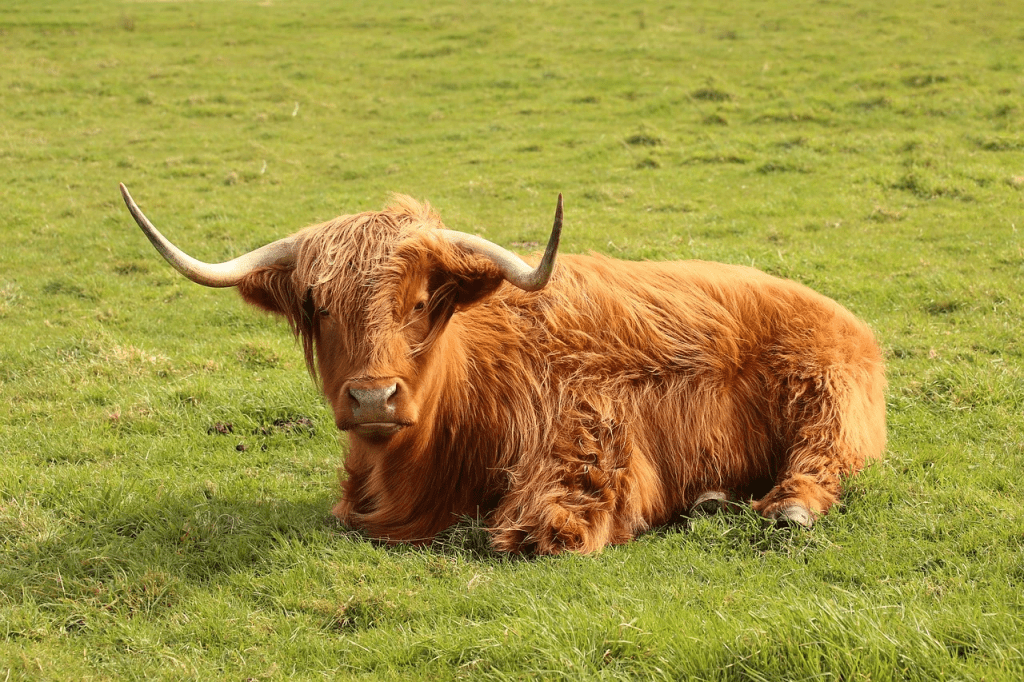
What You Need Before Getting Highland Cows
Preparation is the difference between a thriving farm and a stressful disaster. You should have your entire infrastructure set up before the first trailer ever arrives at your gate.
Land Requirements and Soil Quality
You cannot raise cattle on a standard suburban lot. You need acreage that provides enough forage to sustain the animals without turning the soil into a compacted mud pit. According to Beef Magazine, proper site selection and drainage are the most critical steps in preventing environmental runoff.
Zoning and Local Regulations
Before you buy, check your local agricultural zoning laws. Some areas have strict “Animal Units” (AU) per acre or requirements regarding how far a livestock shelter must be from a property line. Many residential-agricultural zones allow for horses but may have different rules for “bovines.”
Budget and Startup Planning
The purchase price of the cow is often the smallest expense in the first year. You must budget for:
- Fencing: Your most significant upfront cost.
- Water Systems: Year-round access to frost-free water.
- Handling Equipment: A way to safely restrain the animal (like a head gate) for vet visits.
- Transportation: Unless you have a truck and stock trailer, you will need to pay for professional hauling.
Time and Daily Responsibilities
While they aren’t as time-intensive as dairy cows that require twice-daily milking, Highlands still need eyes on them every day. You must be prepared to check waterers, inspect fences, and observe behavior in the rain, snow, and heat.
How Much Land Do Highland Cows Need?
A common question for those learning how to raise Highland cows is the exact acreage required. While a general rule of thumb is 1 to 2 acres per cow, this is highly variable based on your geography and management style.
Understanding Pasture Quality
If you live in an area with lush, high-protein grass and consistent rainfall (like parts of the Pacific Northwest or the UK), you might be able to support more animals per acre. If you are in a dry, arid, or rocky region, you might need 5 to 10 acres per animal to ensure they aren’t eating the grass down to the roots.
The Power of Rotational Grazing
To maximize your land, you should implement rotational grazing. This involves dividing your pasture into smaller sections and moving the cattle every few days. This prevents “overgrazing,” allows the grass to recover, and naturally breaks the life cycle of internal parasites by moving the hosts away from the larvae.
Why Poor Pasture Leads to Higher Costs
If your land is “overstocked” (too many cows for the space), they will eat everything. Once the grass is gone, you will have to buy hay—even in the summer. This can turn a low-cost hobby into an expensive financial drain very quickly.
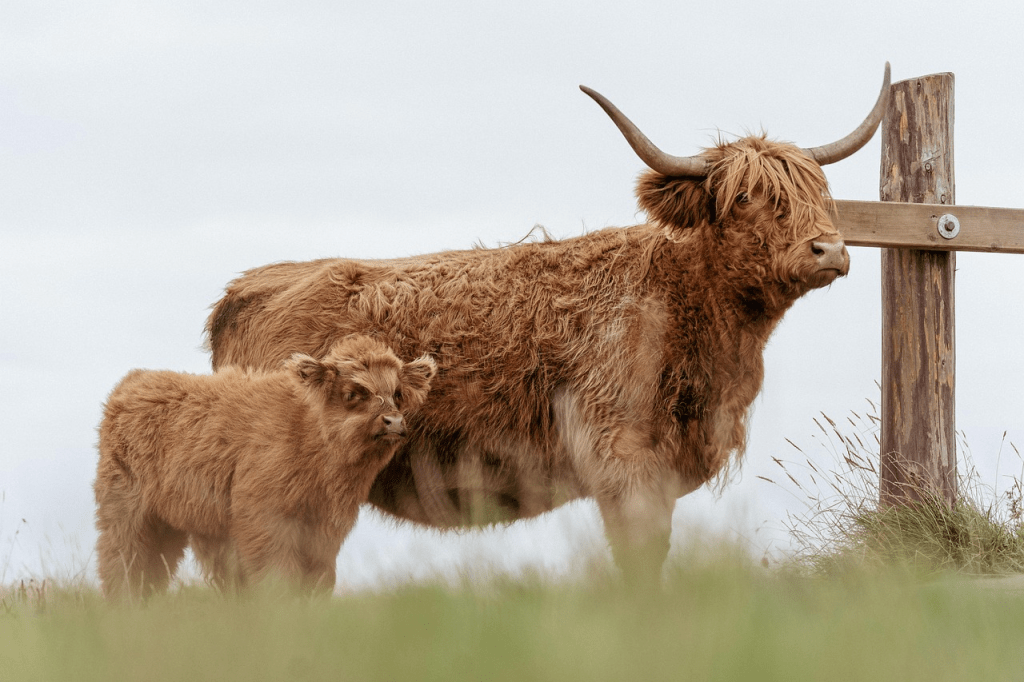
Fencing for Highland Cows: The Perimeter of Protection
Fencing for Highland cattle must be both a physical and psychological barrier. Because they have thick hides and long hair, they are less sensitive to light electric shocks than short-haired breeds.
Best Types of Fencing for Beginners
- Woven Wire (High Tensile): This is the gold standard for perimeters. It is strong enough to handle a cow leaning against it to reach a tasty patch of clover on the other side.
- Post and Rail: Beautiful and traditional, but expensive. It must be reinforced with wire if you have calves, as they can easily slip between the rails.
- Electric Fencing: Highly effective as an internal “divider” for rotational grazing, but rarely sufficient as a sole perimeter fence for a beginner.
How Horns Affect Your Fencing Choices
Highland cows use their horns for everything—scratching an itch, asserting dominance, and sometimes “testing” fences. Ensure your gates are wide enough (at least 12 feet) so they don’t catch their horns when passing through. Avoid “v-mesh” or “no-climb” fencing where a cow might get a horn stuck and become trapped, leading to panic and injury.
Shelter and Housing Needs
One of the biggest myths in beginner Highland cow care is that they don’t need shelter because they are “hardy.” While they can survive a blizzard, their health and weight gain will suffer if they are constantly battling the elements.
Do Highland cows need a barn?
Not necessarily. A fully enclosed, poorly ventilated barn can actually be detrimental. Because of their heavy coats, they generate a lot of body heat; a stagnant barn can lead to pneumonia. A three-sided “run-in” shed that faces away from the prevailing wind is often the better choice.
Bedding and Drainage
The area inside the shelter should be slightly elevated to ensure water drains away. Use wood shavings or straw as bedding during extreme cold. Keeping the cattle off the frozen or muddy ground allows them to conserve energy.
Summer Shade Requirements
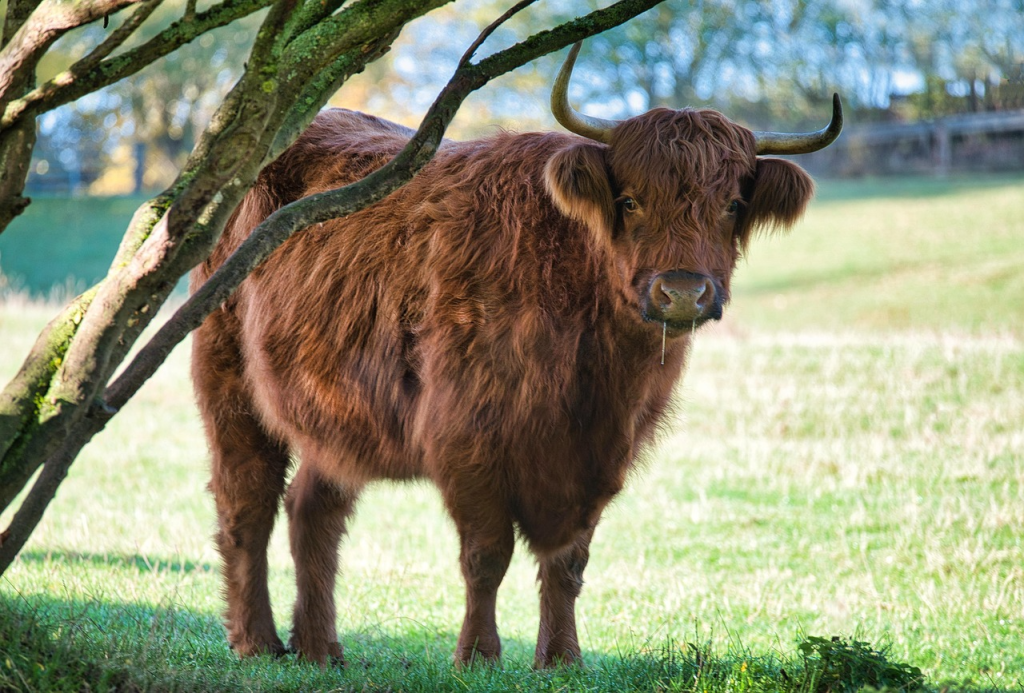
Because of their double-layered coat, Highland cattle are much more prone to heat stress than cold stress. If your pasture doesn’t have large shade trees, you must provide a man-made shade structure. According to Penn State Extension, access to shade and airflow is vital when temperatures exceed 75°F (24°C).
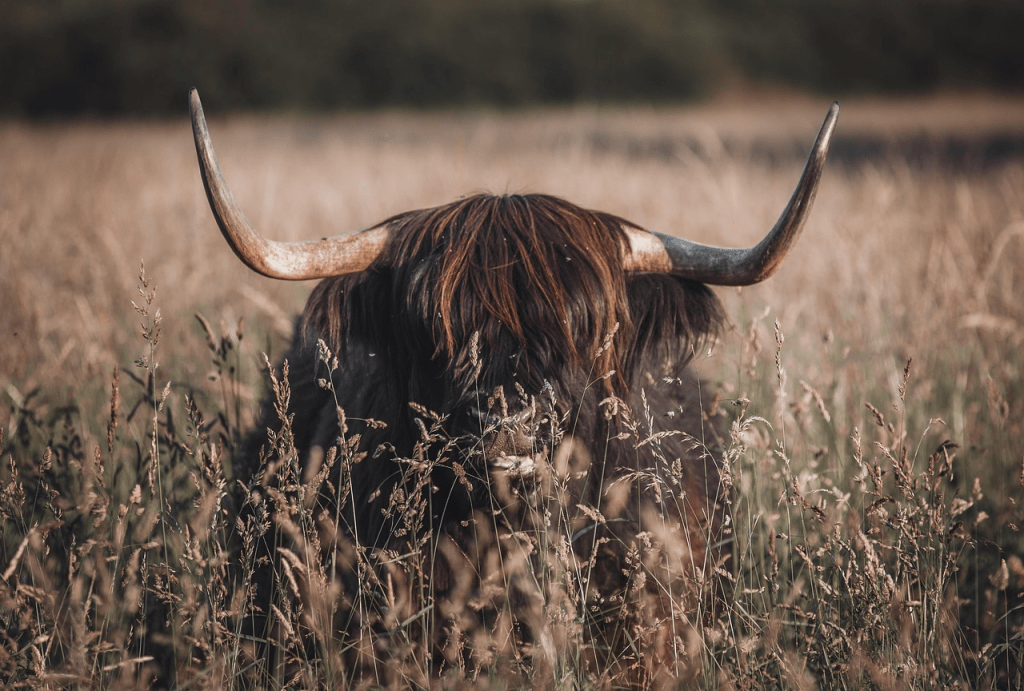
What Do Highland Cows Eat?
Highland cattle are “non-selective grazers,” meaning they will eat brush, brambles, and weeds that other cows ignore. However, they still require a balanced diet to stay healthy.
The Foundation: Grass and Pasture
For most of the year, high-quality pasture should be their primary food source. They are experts at “upcycling” poor-quality forage into high-quality protein.
Hay and Winter Feeding
In the winter, you will need to provide “free-choice” hay. An adult Highland cow can eat roughly 2.5% of its body weight in dry matter per day. For a 1,000-pound cow, that is 25–30 pounds of hay daily.
Essential Minerals and Supplements
Even the best pasture often lacks specific trace minerals like selenium, copper, or zinc. You should provide a “loose mineral” mix or a mineral lick specifically formulated for cattle in your region. Avoid “all-stock” blocks, which often lack the copper levels cattle need.
Fresh Water Requirements
An adult Highland cow can drink 10 to 20 gallons of water per day—and even more in the heat of summer. Your water source must be clean and reliable. Stagnant ponds can harbor toxic blue-green algae or bacteria like Leptospirosis.
Daily Care and Management Routines
What does keeping Highland cattle actually look like on a day-to-day basis? It is less about “working” the cows and more about “observing” them.
The Daily Inspection
You should walk through your herd at least once a day. Look for the “four basics”:
- Eyes: Should be clear and bright.
- Nose: Should be moist but not runny.
- Gait: Are they walking smoothly, or is there a limp?
- Rumen: Do they look “full” on their left side?
Monitoring Body Condition
Because of their hair, you cannot judge a Highland cow’s health by looking at her. You must occasionally put your hands on the animal (if they are tame) or watch them as they move to see the “fill” over their ribs and hip bones.
Keeping Areas Clean
Muck out shelters regularly and ensure that feeding areas don’t become bogged down in mud. Standing in deep mud for long periods can lead to hoof rot and other foot issues.
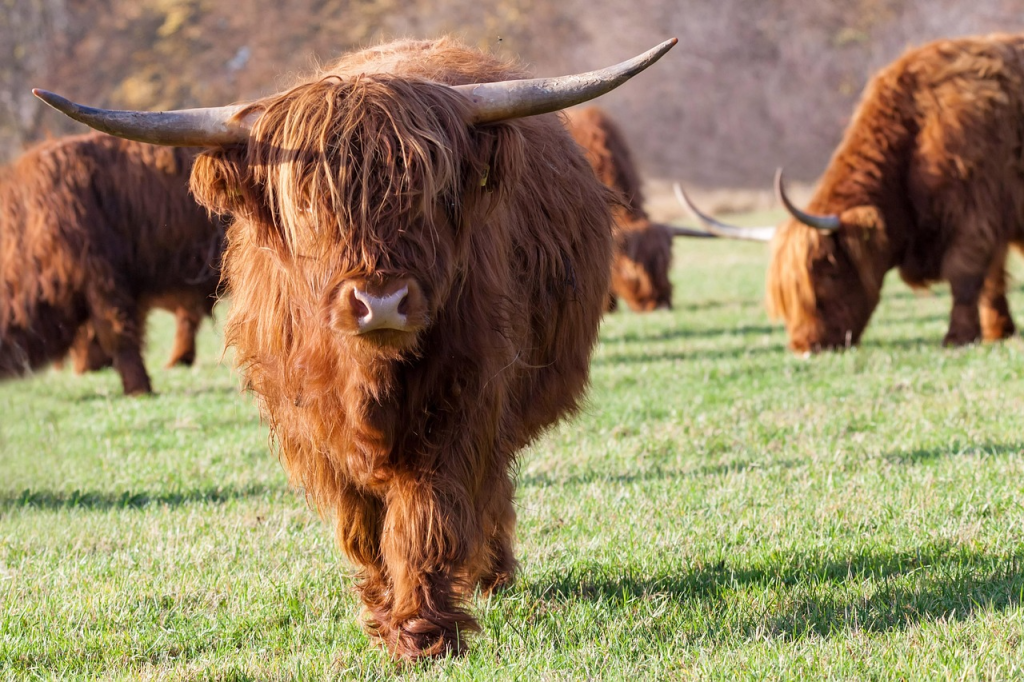
Temperament, Social Instincts, and Handling
Highland cows are generally gentle, but they are not oversized dogs. They are powerful livestock with a strong herd instinct.
Are Highland cows friendly?
Most are naturally curious and docile. However, “friendly” is a relative term. A Highland cow may want to be near you but might still accidentally hit you with a horn while swinging at a fly.
Understanding Herd Hierarchy
There is always a “Boss Cow” in every fold. When you introduce new animals, there will be a period of “sorting out” where they push each other with their heads. As a beginner, stay on the outside of the fence during these disputes.
Safe Handling for Beginners
Always have an “escape route” when working with cattle in a confined space. Use low-stress handling techniques—slow movements and quiet voices. Avoid shouting or using prods; Highland cattle respond much better to a bucket of treats (like cattle cubes or apples) than to force.
Health Care Basics: A Preventative Approach
A proactive health plan is much cheaper than an emergency vet call on a Sunday night. You should establish a relationship with a local large-animal vet before you bring your cows home.
Vaccinations and Parasite Control
Cattle require annual vaccinations (such as for Blackleg or BVD) and regular deworming. The American Highland Cattle Association and other reputable cattle websites provide excellent resources on breed-specific health considerations.
Hoof and Coat Considerations
While Highlands rarely need their hooves trimmed if they live on rocky or firm ground, those kept on soft, wet pasture may develop overgrown hooves. Additionally, keep an eye out for “lice” in the thick winter coat, which can cause them to rub their hair off in patches.
Signs of Illness to Watch For
Beginners should watch for:
- Lethargy: Standing away from the herd.
- Drooping Ears: A classic sign of fever or respiratory distress.
- Scours: Diarrhea, which can lead to rapid dehydration, especially in calves.
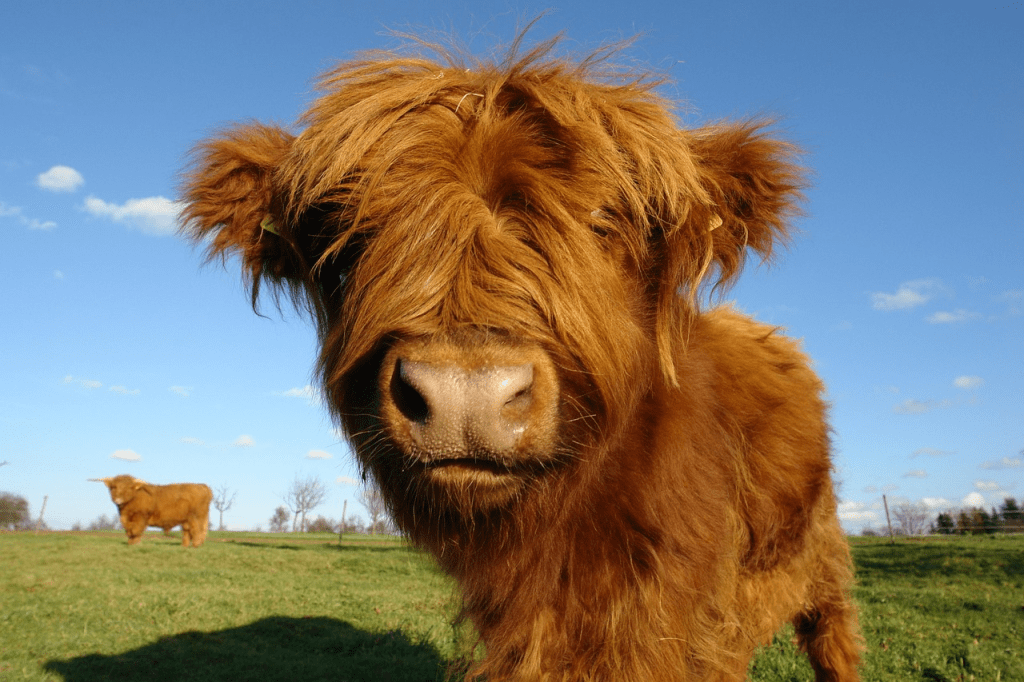
Breeding, Calves, and Herd Planning
Many beginners start with the dream of having “baby coos.” While Highland cows are legendary mothers and easy calvers, breeding adds a layer of complexity.
Should beginners breed right away?
It is often better to spend a year learning how to manage adult cattle before adding the variables of pregnancy and calving. Consider starting with two steers (castrated males) to learn the ropes of fencing and feeding without the hormonal shifts of cows and bulls.
Starting Your Herd
If you do want to breed, look for “registered” stock from a reputable breeder. Registered animals have a known lineage, which helps you avoid inbreeding and ensures the “gentle” temperament the breed is known for.
How Much Does It Cost to Raise Highland Cows?
Transparency regarding costs is essential. It is an expensive hobby that can eventually turn into a profitable business, but the initial “burn rate” is significant.
| Expense Category | Initial Cost (Est.) | Annual Maintenance (Per Cow) |
| Purchase Price | $2,000 – $6,000 | N/A |
| Fencing & Gates | $3,000 – $10,000+ | $150 (Repairs/Updates) |
| Hay & Supplemental Feed | N/A | $600 – $1,200 |
| Vet, Vaccines & Minerals | $300 (Setup) | $200 – $400 |
| Shelter & Bedding | $1,500 – $5,000 | $100 |
Note: Prices vary significantly based on your local hay market and the quality of the animals purchased.
Common Beginner Mistakes to Avoid
- Buying Only One Cow: Cattle are herd animals. A single cow will be stressed, prone to illness, and more likely to try to escape. Always start with at least two.
- Underestimating the Horns: Beginners often buy equipment (like hay feeders or trailers) designed for polled (hornless) cattle. This usually ends in broken equipment or stuck animals.
- The “Pet” Trap: Treating a 1,200-pound animal like a puppy is dangerous. Always maintain a level of “professional distance” and respect for their size.
- Poor Pasture Management: Allowing your cows to turn your field into a “mud lot” in the first year will ruin your soil for years to come.
Pros and Cons Comparison Table
| Pros | Cons |
| Hardiness: Thrive in cold and wet weather. | Heat: Can struggle in extreme humidity. |
| Temperament: Docile and easy to handle. | Horns: Require specialized infrastructure. |
| Efficiency: Can graze “marginal” low-quality land. | Growth: Slower to reach market weight. |
| Value: High-quality beef and high resale value. | Cost: Initial purchase and fencing are pricey. |
| Aesthetics: Great for farm tourism/photography. | Hair: Can mask underlying health issues. |
Step-by-Step Roadmap for Beginners
- Check Your Zoning: Confirm that your land is legally cleared for “bovines.”
- Secure Your Infrastructure: Build your fences and shelter before you look at a single cow.
- Find a Reputable Breeder: Visit a farm in person. Look for clean animals with good “feet and udders.”
- Buy Your Hay: Secure a winter hay source in the summer months when prices are lower.
- Arrange Transport: Ensure you have a wide-bodied stock trailer or a professional hauler.
- Establish a Vet Relationship: Confirm a local vet is willing to service your area.
- Start Small: Buy two or three animals and learn as you grow.
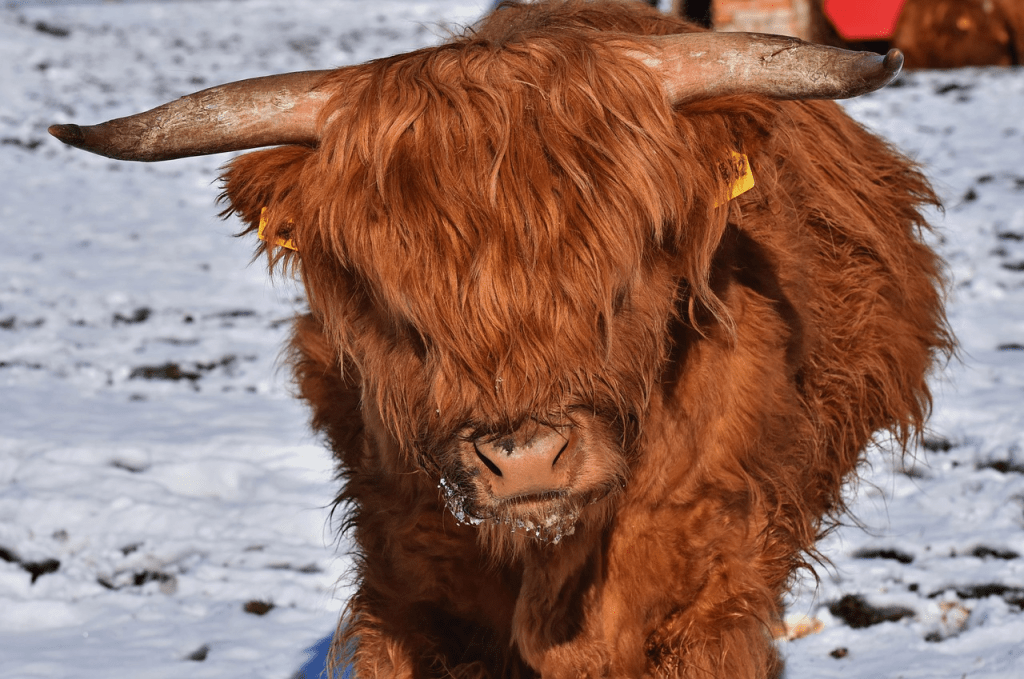
Final Thoughts on How to Raise Highland Cows
Learning how to raise Highland cows is a journey of patience, observation, and respect for nature. These animals offer a unique connection to agricultural history and a sustainable way to manage land.
By preparing your land, investing in high-quality infrastructure, and prioritizing their nutritional and social needs, you can create a thriving environment for these “gentle giants.” Respect their size, enjoy their quiet presence in the field, and they will reward you with years of productivity and companionship.
FAQs
Are Highland cows easy to raise?
Compared to other cattle, yes. They are hardy and docile. However, they still require daily checks, significant infrastructure, and a solid budget for hay and healthcare.
How much land do Highland cows need?
Ideally, 1 to 2 acres per animal of good quality pasture. If your land is poor or rocky, you will need more space or will need to provide more supplemental hay.
Can Highland cows stay outside in winter?
Yes! Their double-layered coat is designed for exactly that. However, they must have access to a windbreak and a dry place to lie down.
Do Highland cows need a lot of grooming?
Not for their health, as they rub against trees to shed their winter coats. However, regular brushing helps build trust and makes them much easier to handle.
Are they good with children?
Generally, yes, but children should never be left unsupervised with any large livestock. A Highland cow is gentle, but it doesn’t know its own strength or where its horns end.
How many Highland cows should a beginner start with?
Two is the absolute minimum. Starting with a pair of steers (castrated males) is often the easiest way for a beginner to learn without the complexities of breeding.

 Fluffy Highlands