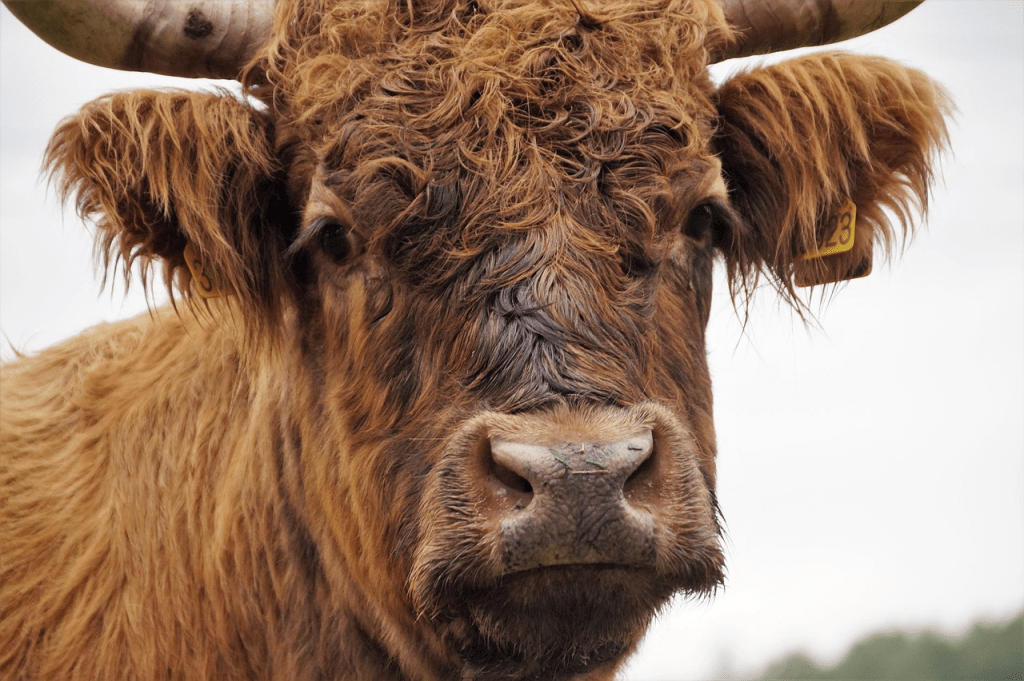
So, you’ve fallen in love with the iconic, shaggy coat and the gentle, sweeping horns of the Scottish Highland cow. You aren’t alone. These “Heilan Coos” have become the face of hobby farming across the globe. But behind those viral photos of fluffy calves lies a serious financial commitment.
If you are wondering how much does a Highland cow cost, the answer is rarely a single number. From the initial purchase price to the long-term infrastructure and annual maintenance, owning these majestic animals requires a well-planned budget. In this guide, we will break down every expense—initial and ongoing—to help you decide if a Highland cow fits your financial goals.
What Is the Cost of a Highland Cow?
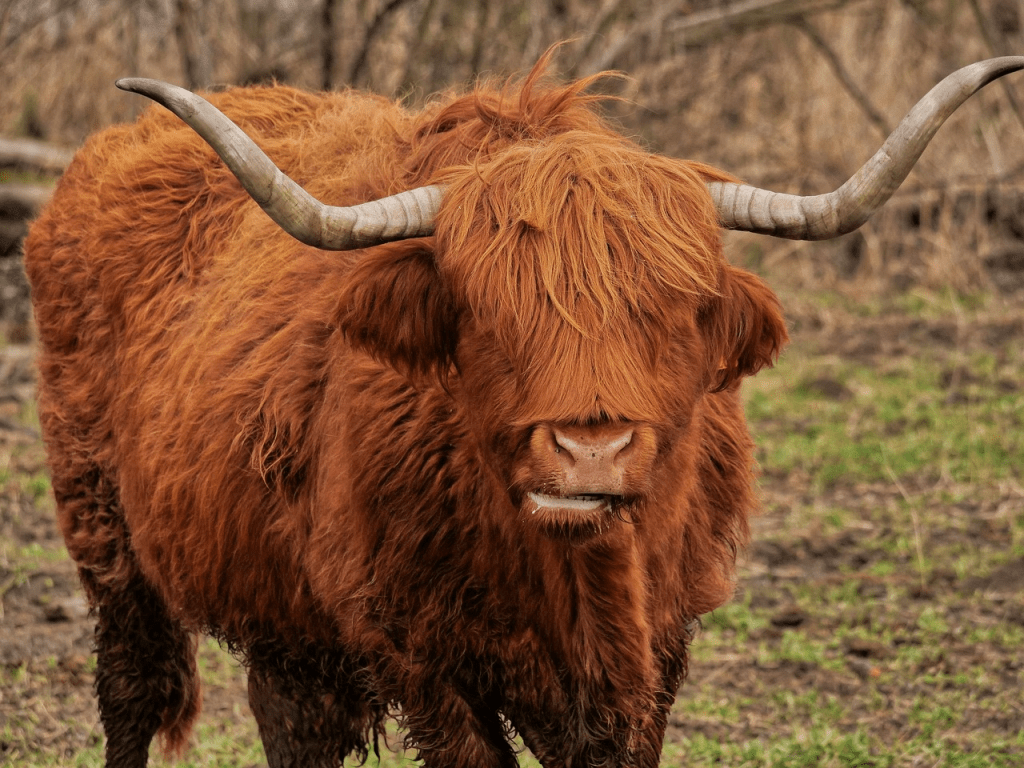
The direct cost of a Highland cow typically ranges from $2,500 to $10,000+. This price varies significantly based on the animal’s age, sex, pedigree, and whether they are registered with a breed association like the American Highland Cattle Association.
While you might find an unregistered “cross” for less, purebred Highland cattle command a premium due to their immense popularity and slower growth rates.
| Type of Highland | Typical Price Range |
| Highland Calf (Unregistered) | $2,500 – $4,500 |
| Registered Heifer (Breeding Age) | $5,000 – $9,000 |
| Mature Cow (Proven Mother) | $4,000 – $7,500 |
| Highland Bull (Registered) | $3,500 – $8,000 |
| Steer (for Beef or Pet) | $2,000 – $3,500 |
Factors Affecting Highland Cow Prices
- Registration: Animals with a documented pedigree are significantly more expensive but offer higher resale value.
- Genetics: Calves from “show-winning” lines or specific rare colors (like silver or white) often fetch higher prices.
- Miniature vs. Standard: True “Miniature” Highlands are in high demand for small hobby farms and can often cost $10,000 or more.
- Location: If you are in a region with few breeders, you will pay more for both the animal and the transportation.
Initial Cost of Buying a Highland Cow
The sticker price of the animal is just the beginning. Before the trailer gate drops at your farm, you need to account for several major startup expenses.
Purchase Price and Paperwork
When buying, ensure you clarify if the price includes registration transfer fees or a recent health certificate (CVI). If you are buying across state or provincial lines, a vet-issued health certificate is legally required for transport.
Transportation Costs
Unless you own a truck and a wide-bodied stock trailer, you will need to hire a livestock hauler. Professional haulers typically charge between $2.50 and $5.00 per loaded mile, often with a minimum “hook-up” fee of $150 to $300.
Setup Costs: Infrastructure
You cannot safely keep a Highland cow without proper containment. Because of their horns, they require more robust infrastructure than “polled” (hornless) cattle.
- Fencing: Woven wire or high-tensile electric fencing is best. Budget $2.00 to $5.00 per linear foot for materials and professional installation.
- Shelter: A three-sided run-in shed is usually sufficient. A basic 12×24 shed can cost between $2,500 and $5,000.
- Water Systems: A frost-free automatic waterer or a heavy-duty trough setup will run $500 to $1,500.
Table: Startup Cost Summary (First Cow)
| Item | Estimated Cost |
| Purchase Price (Registered Cow) | $6,000 |
| Fencing (1 Acre Perimeter) | $3,500 |
| Shelter (Run-in Shed) | $3,000 |
| Watering System | $750 |
| Initial Vet Check/Cert | $250 |
| Total Estimated Startup | $13,500 |
Ongoing Costs of Owning a Highland Cow
Once the initial setup is complete, you move into the “maintenance” phase. This is where most beginners underestimate the cost to raise Highland cattle.
Feed and Hay
Highland cattle are efficient grazers, but unless you have unlimited high-quality pasture, you will need to buy hay for 4 to 6 months of the year. An adult cow eats roughly 2.5% of its body weight in dry matter daily.
- Hay Costs: Expect to pay $600 to $1,000 per year, per cow depending on local hay prices.
- Summer Pasture: While “free,” you must account for the cost of weed control and fertilizer.
Veterinary Care and Medicine
Routine care includes annual vaccinations (Blackleg, BVD, etc.) and parasite control (deworming).
- Annual Routine Visit: $150 – $300 (including farm call fee).
- Emergency Fund: You should always have at least $1,000 tucked away for unexpected issues like bloat, injury, or difficult calving.
Minerals and Supplements
Highlands need access to loose minerals or salt licks to prevent deficiencies, especially in selenium-poor soils. A 50lb bag of quality cattle mineral costs about $35 to $60 and will last a few months for a small group.
Water and Utilities
While cows don’t use electricity, your well pump does. A single cow can drink 15–20 gallons of water per day. In winter, if you use a tank heater to prevent ice, your electricity bill could jump by $30 to $50 per month.
How Much Does It Cost Per Year to Own a Highland Cow?
In a typical year, after your infrastructure is built, the Highland cattle expenses for a single animal usually fall between $1,200 and $2,000.
| Expense Category | Annual Cost (Low Estimate) | Annual Cost (High Estimate) |
| Hay/Winter Feed | $600 | $1,200 |
| Vet/Vaccines | $150 | $400 |
| Minerals/Salt | $100 | $200 |
| Bedding/Straw | $100 | $300 |
| Property Maintenance | $200 | $500 |
| Total Annual Cost | $1,150 | $2,600 |
Note: The “High” estimate accounts for a year with poor pasture growth (more hay needed) or a minor vet emergency.
Land Costs and Hidden Expenses
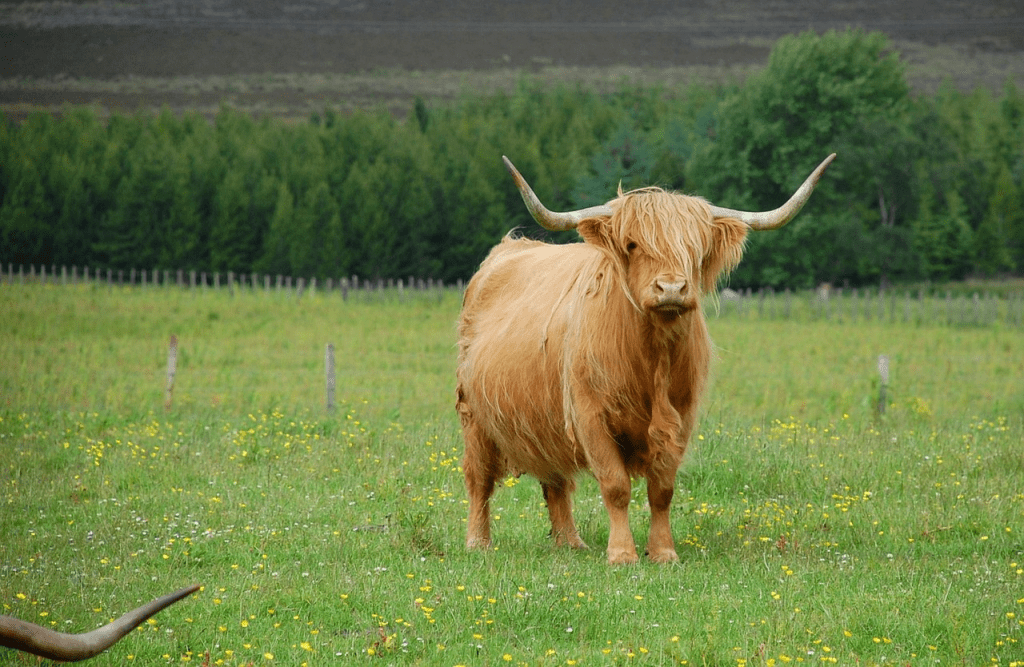
The most significant hidden cost is the land itself. According to USDA Land Values Data, pasture land prices have risen steadily. If you don’t already own land, leasing is an option, but it adds to your monthly overhead.
Other hidden costs include:
- Property Taxes: Switching to agricultural status (Farm Tax Class) can save you money, but the process often requires a minimum annual income from the animals.
- Equipment: You will eventually need a tractor or an ATV with a trailer for moving hay and manure.
- Repairs: Highland horns are tough on wooden gates and siding. Expect to spend a weekend every spring fixing what they broke over the winter.
Cost Comparison: Highland Cows vs. Other Cattle
Highland cows are generally more expensive to buy but can be cheaper to maintain than commercial breeds like the Angus.
| Feature | Highland Cow | Angus / Commercial |
| Purchase Price | High ($4k – $8k) | Moderate ($2k – $3.5k) |
| Feed Efficiency | Excellent (thrives on brush) | Moderate (needs better grass) |
| Shelter Needs | Low (natural insulation) | Moderate (needs wind protection) |
| Growth Rate | Slow (4-5 years to mature) | Fast (18-24 months) |
| Resale Value | High (niche/hobby market) | Market-based (commodity price) |
Highlands are a long-term investment. While an Angus reaches market weight faster, the Highland cow saves you money on expensive grain and heated barns.
Can Highland Cows Be Profitable?
Can you offset the cost of a Highland cow? Yes, but it requires a business mindset.
- Breeding: Selling registered calves is the most common way to make a profit. A single high-quality heifer calf can pay for the entire herd’s hay for a year.
- Beef Sales: Highland beef is leaner and higher in protein. Selling “free-range, grass-fed” Highland beef directly to consumers allows you to charge a premium over grocery store prices.
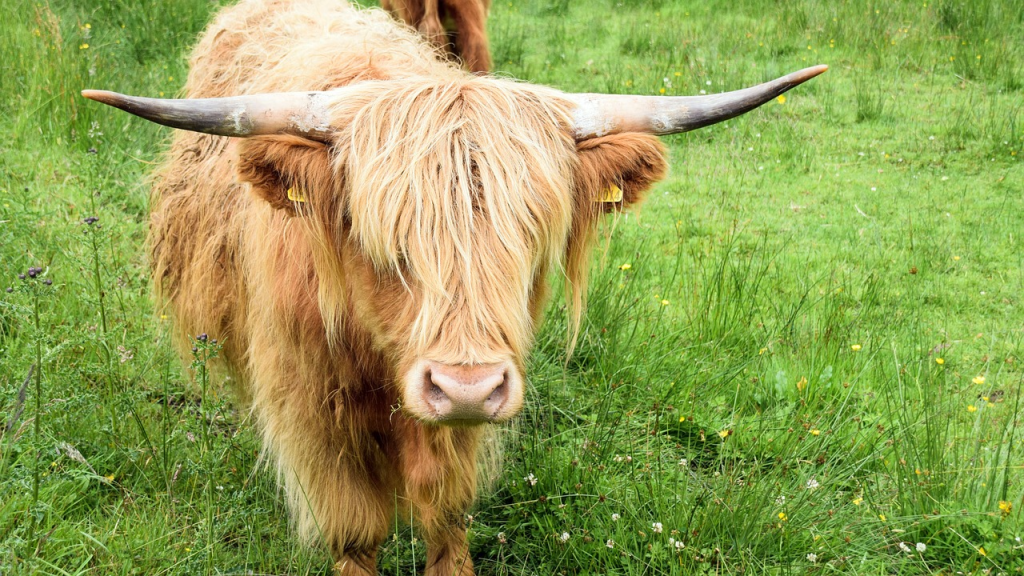
- Agritourism: “Cow Cuddling” and farm photography sessions have become massive trends. Some farms charge $50–$100 per hour for guests to visit and brush the cattle.
Ways to Reduce the Cost of Owning a Highland Cow
If the numbers above feel daunting, here are four ways to lower your expenses:
- Buy Locally: This eliminates massive transportation fees and ensures the animal is already acclimated to your local climate and parasites.
- Rotational Grazing: Moving your cows frequently keeps your grass healthy, which drastically reduces your reliance on expensive baled hay.
- Buy Steers First: If you don’t plan to breed, buy steers. They are cheaper to purchase, easier to handle, and don’t require the expensive “bull-proof” fencing that a breeding setup needs.
- Share Equipment: Partner with a neighbor to share the cost of a livestock trailer or a post-hole auger.
Is Owning a Highland Cow Worth the Cost?
Whether the Highland cow price is “worth it” depends on your goals. If you are looking for a quick profit in the beef industry, the slow growth of the Highland might frustrate you.
However, if you want a hardy, docile, and strikingly beautiful animal that can clear brush and thrive in cold climates, the Highland cow is unmatched. They provide a level of “farm charm” and character that few other breeds can offer.
Pros and Cons of the Cost
| Pros | Cons |
| High resale value for calves. | High initial purchase price. |
| Lower shelter and grain costs. | Expensive fencing and gates needed. |
| Long lifespan (cows can breed into their 15s). | Slow growth means delayed ROI. |
| Can qualify your land for farm tax breaks. | Specialty vet care can be pricier. |
Final Thoughts
The cost of a Highland cow is more than just a line item in a ledger; it is an investment in a lifestyle. While the startup costs of $10,000+ can be a hurdle, the low maintenance and high efficiency of the breed make them a sustainable choice for the modern homestead.
Before you buy, run your own numbers based on local hay prices and fencing costs. If the math works, you’ll find that the joy of seeing those shaggy faces in your field every morning is worth every penny.
FAQs
What is the average cost of a Highland cow?
The average price for a registered, breeding-age Highland cow is between $4,000 and $7,500. Unregistered calves can be found for less, while elite show genetics can exceed $15,000.
How much does it cost to feed a Highland cow?
Expect to spend $600 to $1,000 per year on hay and minerals, assuming you have some summer pasture available.
Are Highland cows expensive to maintain?
No, they are actually cheaper to maintain than many other breeds because they do not require grain, expensive barns, or high-protein alfalfa. Most of the cost is in the initial purchase and fencing.
Can you own just one Highland cow?
No. Highland cattle are highly social herd animals. Owning just one will lead to a stressed, vocal, and potentially destructive animal. You should always start with at least two.
Do Highland cows require a lot of land?
A good rule of thumb is 1 to 2 acres per cow of quality pasture. If your land is mostly brush or woods, you will need more acreage or will need to feed hay year-round.

 Fluffy Highlands