If you have ever scrolled through social media and stopped at the sight of a ginger, woolly bovine that looks more like a giant pomeranian than a farm animal, you are not alone. These iconic Scottish residents have become global superstars.
From appearing on high-end home decor to starring in viral travel videos, they are the undisputed mascots of the north. But a question remains for many curious observers: why are Highland cows so fluffy, and is that voluminous hair just for show?
To put it simply, Highland cows are so fluffy because they possess a unique double-layered coat designed for extreme climate survival. This specialized hair system allows them to thrive in the freezing, wind-swept mountains of Scotland.
While their aesthetic has made them the darlings of landscape photography, every strand of that shaggy hair serves a sophisticated biological purpose. In this guide, we will dive deep into the evolutionary genius behind the world’s most famous bovine hairstyle.
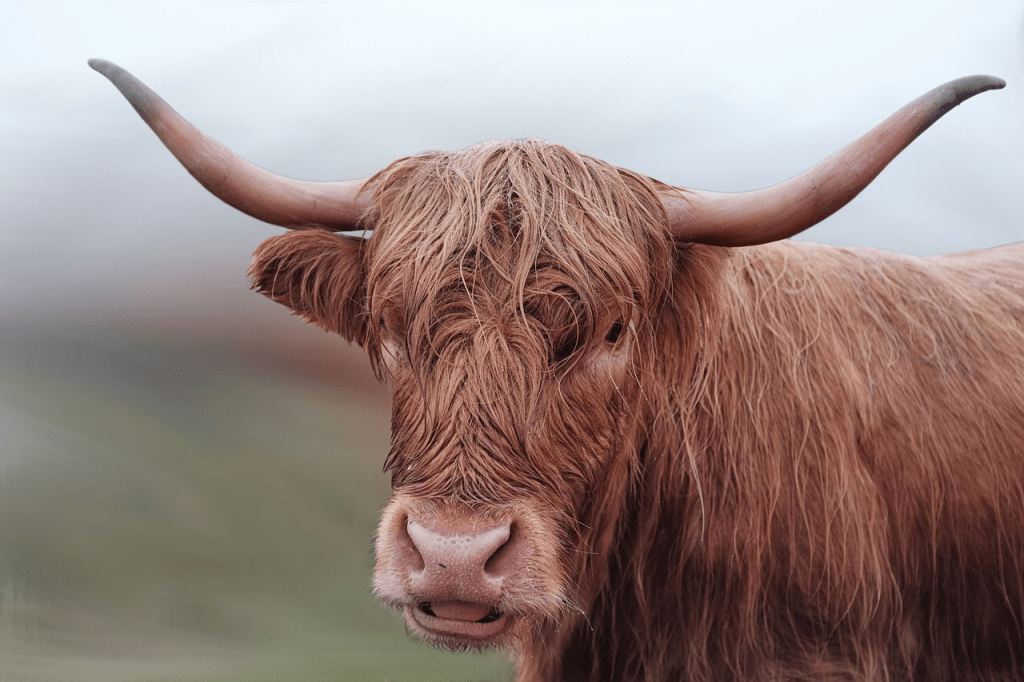
The Primary Reason for the Fluff: Environmental Adaptation
The primary reason for the fluffiness of a Highland cow is environmental adaptation. Originating in the Scottish Highlands—a region defined by relentless horizontal rain, biting Atlantic winds, and heavy snowfall—these animals needed a way to stay warm.
Historically, most cattle breeds in the UK were developed in more temperate lowland areas. In the Highlands, however, the climate is much more aggressive. Without the luxury of modern, temperature-controlled barns, the Highland cow had to evolve its own shelter.
Unlike most cattle breeds that rely on a thick layer of subcutaneous fat to keep their internal organs warm, the Highland cow opted for an external solution. Evolution provided them with the longest hair of any cattle breed, creating a portable, waterproof house.
This coat is so effective that it allows the breed to maintain a stable body temperature even when the thermometer dips well below freezing. This significantly reduces the metabolic cost of staying warm in winter, making them incredibly efficient survivors.
The Secret Behind Their Fluffy Coat: A Two-Tiered System
When we ask why do Highland cows have long hair, we are actually looking at two very different types of fur working in tandem. This is known as a double-layered coat, a feature rare in the cattle world.
1. The Outer Layer: Guard Hairs
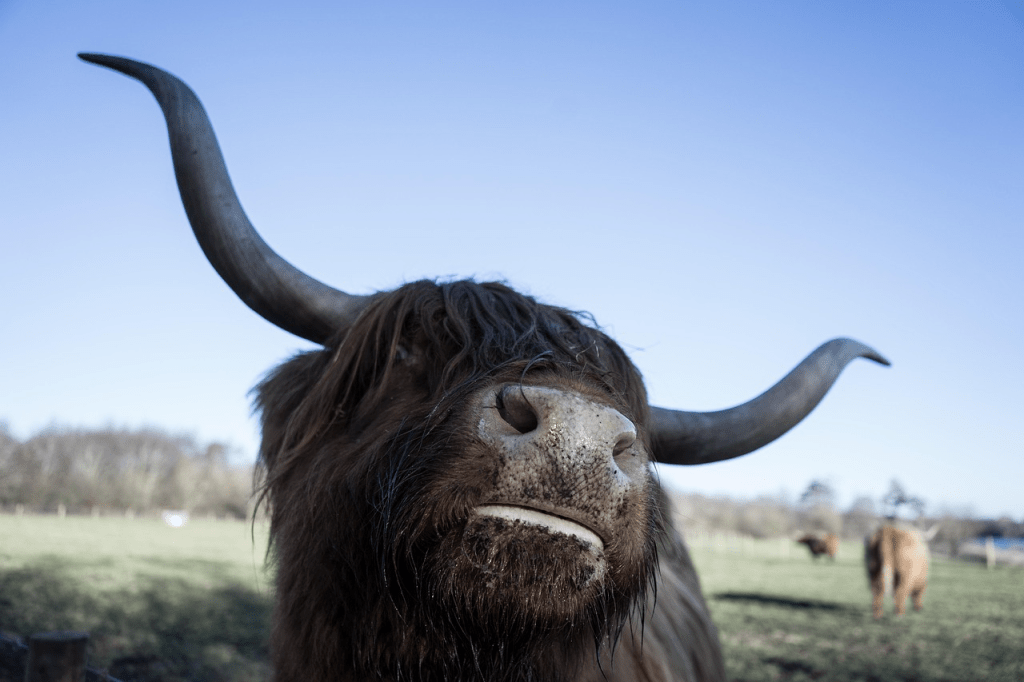
The long, wavy strands you see on the surface are guard hairs. These can grow to over thirteen inches in length and are naturally oily.
The oil in these hairs repels water, much like a duck’s feathers. In a heavy Scottish downpour, the rain slides off the outer tips of the hair rather than soaking through to the skin.
Furthermore, the coarse texture of these hairs breaks the force of the wind. This prevents cold air from penetrating the insulating layer beneath, acting as a high-performance windbreaker.
2. The Inner Layer: Downy Undercoat
Beneath the rugged exterior lies a hidden layer of soft, fine, woolly hair. This is the fluff that gives them their rounded, cuddly appearance.
This layer traps a pocket of warm air against the cow’s skin, creating a powerful thermal barrier. Even in sub-zero temperatures, this bio-insulation is so thick that the cow’s skin remains warm to the touch.
Research from the Livestock Conservancy highlights that this unique coat is a major factor in the breed’s ability to thrive on marginal lands where other cattle would require expensive housing.
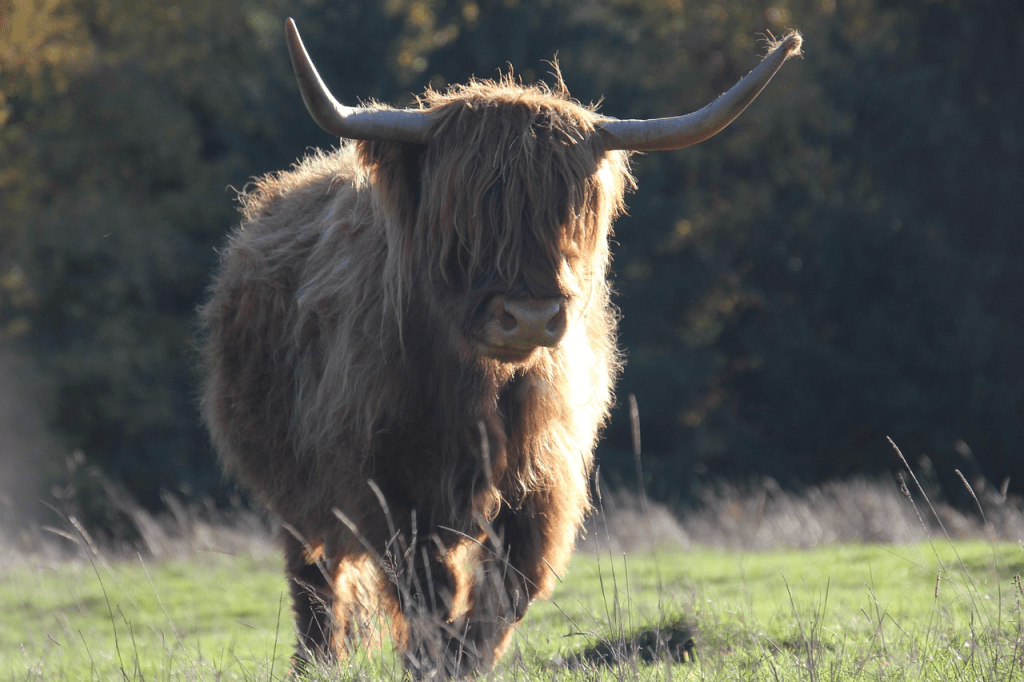
Natural Insulation: A Masterclass in Heat Retention
The effectiveness of this coat is best observed during a heavy snowstorm. It is a common and striking sight to see a Highland cow with a thick layer of snow sitting perfectly intact on its back.
This happens because their coat is such an efficient insulator that no body heat is escaping to melt the snow. If the snow were melting, it would indicate that the animal’s internal heat was leaking out into the atmosphere.
By keeping that heat in, the Highland cow saves an enormous amount of energy. This allows it to survive on the sparse, low-energy grazing found in the hills, such as heather and tough grasses.
Why Fluffy Cows Do Not Need Much Body Fat
Because the fluffy cows explanation centers on the hair doing all the insulating work, Highland cattle do not need to develop the thick layers of backfat found in breeds like the Angus.
This leads to several unique biological and agricultural benefits. First, Highland beef is naturally leaner. Because the insulation is on the outside, the meat is lower in cholesterol and fat while remaining highly flavorful.
Second, the cow can put its nutritional energy into growth and milk production rather than just building fat stores for winter survival. This makes them highly economical for farmers in cold climates.
According to data from The Cattle Site, the ability of Highland cattle to maintain weight in winter without heavy grain supplementation is one of their most valuable traits for sustainable farming.
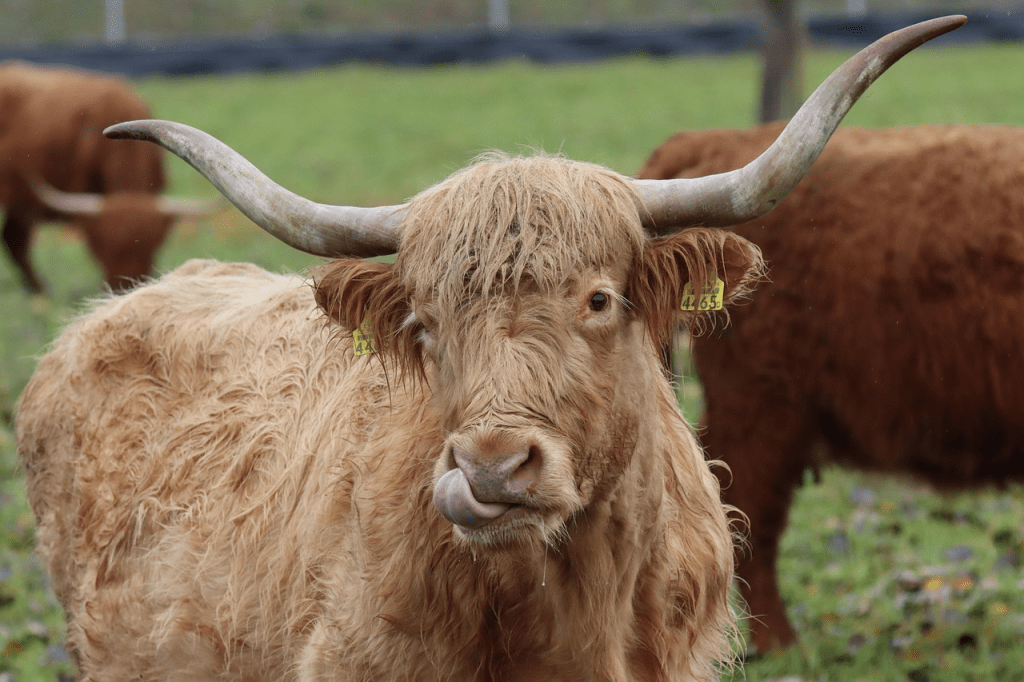
How Their Fluff Helps Them Survive Rugged Terrains
The Scottish Highlands are filled with sharp gorse, prickly thistles, and dense brush. In this environment, the fluff acts as a suit of armor against the landscape.
The thick, tough hair protects the cow’s hide from scratches and insect bites while they move through dense vegetation. This allows them to utilize land that other cattle would find too painful or difficult to navigate.
While most commercial cattle must be housed in barns during the winter to prevent weight loss, Highland cows are perfectly happy remaining outdoors. This reduces infrastructure costs for the farmer.
This ability to thrive on marginal lands makes them a top choice for modern regenerative agriculture and conservation grazing projects worldwide.
The Seasonal Cycle: Do They Stay Fluffy All Year?
If you visit Scotland in July, you might notice the cows looking a bit sleeker or even shabbier. This is due to seasonal shedding, which is a vital part of their health.
As the days get longer and temperatures rise, Highland cows begin to lose their dense, downy undercoat. They spend hours rubbing against fence posts, boulders, and trees to pull the old hair away.
During this molting phase, they can look quite messy as the fluff comes off in large clumps. However, by mid-summer, their coat is much thinner, consisting mainly of the longer guard hairs.
This allows for better heat dissipation while still providing protection from the sun and the infamous Scottish midges—tiny biting flies that swarm in the humid summer months.
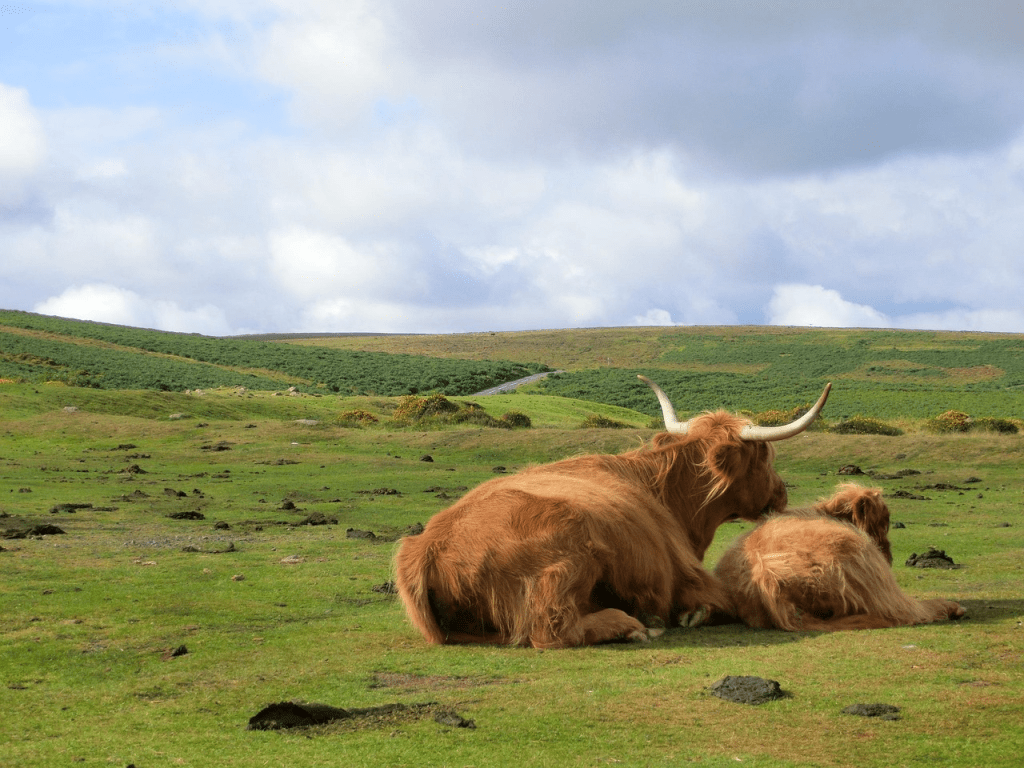
The Function of the Dossan: Why Hair Covers Their Eyes
One of the most charming features of the Highland cow is the fringe or bangs that cover their eyes, known in Scotland as a dossan.
The dossan acts like a natural visor, protecting the eyes from driving rain, snow, and the glare of the sun reflecting off the winter landscape. It is nature’s version of high-quality sunglasses.
In the summer, the long hair acts as a built-in fly swatter. It keeps biting insects away from the sensitive eye area and prevents common infections like pinkeye.
Despite appearances, they can see through it quite well—much like a person looking through a thin curtain. This allows them to navigate rocky cliffs and avoid predators without their vision being hampered by the elements.
Evolution and History of the Highland Coat
Archaeological records and research from Oklahoma State University suggest that the Highland coat has remained virtually unchanged since the 6th century.
This genetic stability is rare in the modern agricultural world. Most animals have been drastically altered through intensive breeding for high-yield production or rapid growth.
The Highland cow remains a living fossil, maintaining the same shaggy defense mechanism that protected its ancestors. This historical consistency is why they are so culturally significant to the Scottish identity.
Fun Facts About Highland Cow Fluff
- The Queen’s Favorite: The late Queen Elizabeth II was a patron of the breed and kept a prize-winning fold at Balmoral Castle.
- Self-Cleaning Properties: The oils in their hair mean that once mud dries, it usually just falls off, keeping the cow surprisingly clean.
- Extreme Weather Resilience: Their coat can withstand wind speeds of up to 100 mph while keeping the animal’s skin dry and warm.
- The Rainbow Palette: While red is most common, their fluff comes in seven official colors: red, black, yellow, white, brindle, dun, and silver.
Final Thoughts: Fluff with a Purpose
The fluff of the Highland cow is a serious piece of evolutionary equipment. It is the reason this breed has survived for over a thousand years in some of the harshest conditions on Earth.
They are a perfect example of how nature creates beauty through functionality. Whether you are an aspiring farmer or a wildlife photographer, understanding the science behind the shaggy coat makes these gentle giants all the more impressive.
Frequently Asked Questions
Do Highland cows get hot in summer?
They can struggle in extreme heat. While they shed their undercoat, they are not suited for tropical climates. They require access to shade and plenty of water in temperatures above 25°C.
Do they need regular grooming?
In a natural setting, they groom themselves using trees. However, pet Highland cows often enjoy being brushed, which helps manage their spring shed and strengthens the bond with their owner.
Is their fur soft to the touch?
The outer guard hairs are coarse and feel similar to a horse’s tail, but the inner undercoat is incredibly soft, similar to high-quality sheep’s wool.
Why do calves look extra fluffy?
Calves lack the heavy, oily guard hairs of adults, so they are covered entirely in the soft, curly insulating layer. This gives them a teddy bear appearance that protects their small bodies from heat loss.
 Fluffy Highlands