Imagine a creature that looks like a cross between a prehistoric beast and a giant, fluffy teddy bear. With their sweeping horns and iconic “fringes” covering their eyes, Highland cattle have become the unofficial mascots of the animal kingdom.
But beyond their photogenic appearance, what are Highland cows, and why have they captured the hearts of farmers and social media users worldwide?
Known as “Heilan coos” in their native Scotland, these resilient bovines are one of the oldest identifiable breeds of cattle in the world. They aren’t just a pretty face; they are a masterpiece of biological engineering, designed to survive where other breeds would perish.
In this definitive guide, we will explore the history, temperament, and unique biology of the Highland cow to show you why they are far more than just a souvenir on a Scottish postcard.
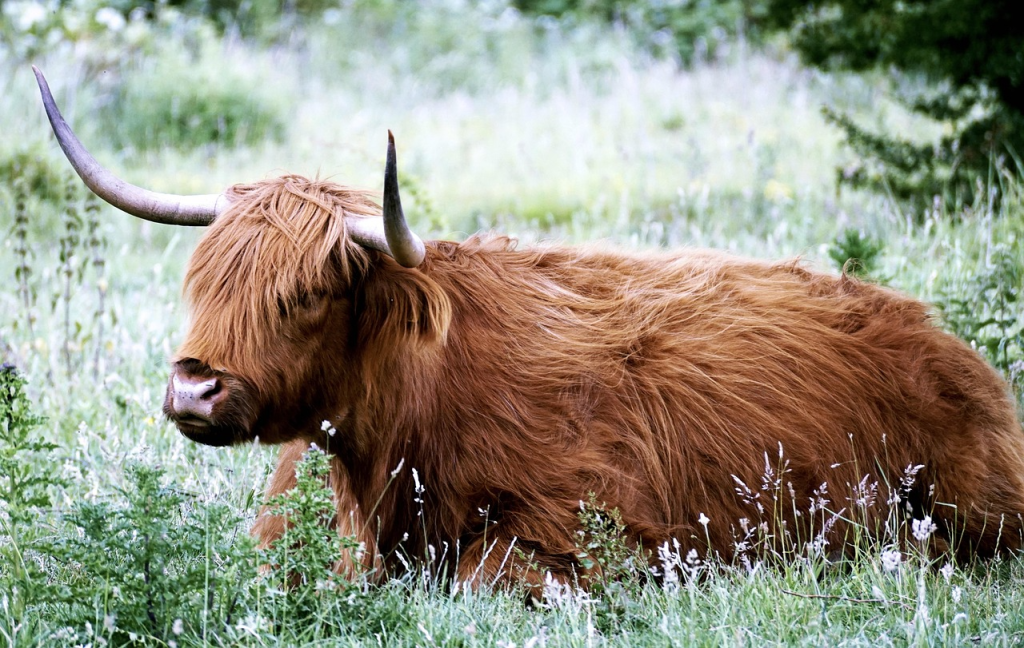
What Are Highland Cows? An Introduction to the Breed
To answer the question “what is a Highland cow” simply: it is a rustic Scottish breed of beef cattle, characterized by long, wavy coats and impressive, spreading horns.
Scientifically classified as Bos taurus, the Highland cow belongs to a lineage that has remained remarkably pure for centuries. Unlike many modern breeds that were “created” through intensive crossbreeding in the 19th and 20th centuries, the Highland cow is a natural product of its environment.
The Two Original Types
Historically, there were two distinct classes of Highland cattle:
- The Kyloe: A smaller, usually black strain that lived in the islands of the west coast of Scotland.
- The Mainland Highland: A larger strain, often reddish in color, that roamed the remote Highlands.
Today, these have been merged into a single breed registry, though you will still see a wide variety of sizes and colors reflecting this diverse genetic heritage. According to the Highland Cattle Society, the official herd book was established in 1884, making it one of the oldest in the world.
Key Characteristics of Highland Cows
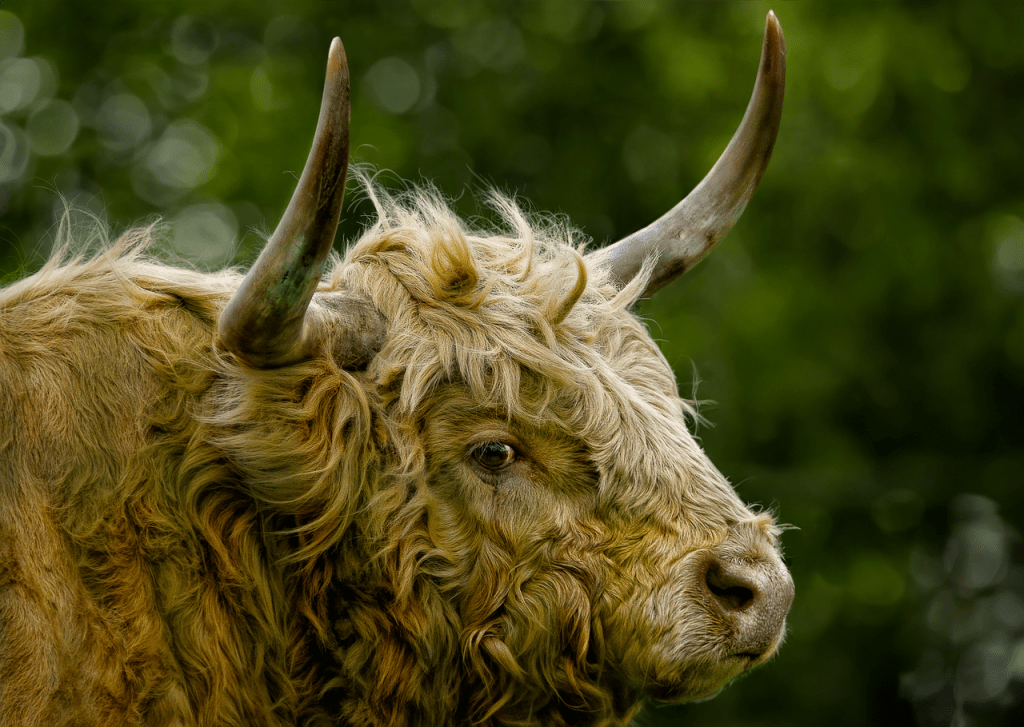
What makes a Highland cow stand out in a field of standard Angus or Hereford cattle? It comes down to a set of physical adaptations that are both functional and strikingly beautiful.
The Iconic Double-Layered Coat
The most famous Highland cow characteristic is undoubtedly the hair. While most cattle have a single layer of hair and a thick layer of subcutaneous fat to stay warm, the Highland cow uses a double-layered coat.
- The Outer Layer: This consists of long, oily “guard hairs” that can grow over 13 inches long. These hairs shed rain and snow, keeping the cow’s skin dry.
- The Undercoat: Beneath the shaggy exterior is a soft, downy layer that traps heat.
Because they have such effective natural insulation, they don’t need to develop a thick layer of backfat to stay warm. This is a primary reason why Highland beef is notably leaner than other varieties.
Sweeping Horns: Form and Function
Both male and female Highland cattle grow horns, but you can often tell the sex of the animal just by the shape of the rack.
- Bulls: Their horns are usually thicker, grow forward, and have only a slight upward curve.
- Cows: Their horns are typically longer, finer at the tips, and sweep upwards in a more elegant fashion.
In the wild, these horns are vital tools. They are used for protection against predators and for “snow-plowing” through drifts to reach buried vegetation during harsh Scottish winters.
Size and Stature
Highland cattle are considered a medium-sized breed. Bulls typically weigh between 1,500 and 1,800 pounds, while cows usually range from 900 to 1,300 pounds. Their low center of gravity makes them incredibly sure-footed on the steep, rocky terrain of the Scottish hills.
A Rainbow of Colors
While the “red” (ginger) color is the most iconic, it wasn’t always the most common. Queen Victoria is often credited with popularizing the red coat; during a visit to the Highlands, she expressed a preference for the reddish animals, leading to selective breeding that favored that hue.
Today, you can find Highland cows in:
- Red (Ginger)
- Black
- Yellow
- White
- Brindle
- Dun
- Silver
Where Do Highland Cows Come From?
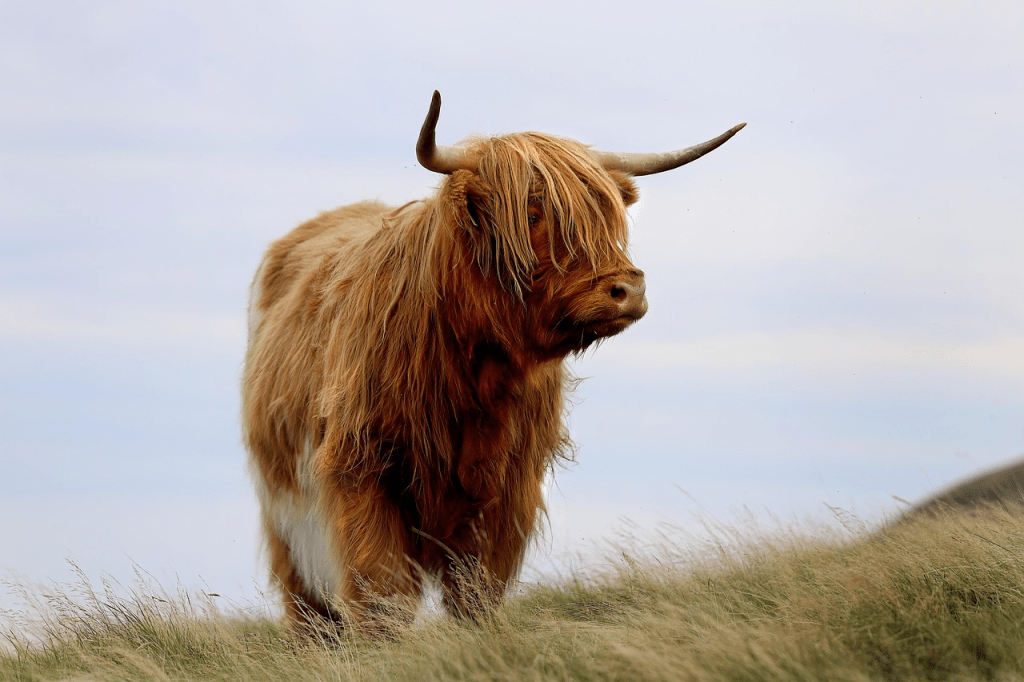
The history of the Highland cow is a story of survival. Originating in the Scottish Highlands and Western Isles, these animals were bred to thrive in one of the most inhospitable climates in Europe.
Evolution in the Mist
The Highlands are known for high rainfall, Atlantic gales, and poor-quality soil. While “improved” breeds like Shorthorns struggled with the lack of lush grass and the biting cold, the Highland cow thrived.
For centuries, Scottish crofters (small-scale farmers) kept these cattle as their primary source of wealth. During the winter, the cattle would often be brought inside the “blackhouses”—stone dwellings where the family lived at one end and the animals at the other. The body heat from the cows helped keep the humans warm.
The “Kyloe” Connection
The name “Kyloe” comes from the “kyles” (narrow straits of water) that the cattle had to swim across to get to market. Historically, Highland cattle were driven hundreds of miles by “drovers” to markets in central Scotland, proving their incredible stamina and hardiness.
The Biological Marvel: Adaptation to the Cold
The Highland cow is a masterclass in evolutionary adaptation. Their physiology is fine-tuned for a climate that would cause “cold stress” in most other mammals.
Ruminant Digestion and Heat
Like all cattle, Highlands are ruminants, meaning they have a four-chambered stomach. However, the fermentation process in their rumen acts like an internal furnace. By breaking down high-cellulose materials—like the tough heather and gorse found on Scottish hills—they generate significant internal heat.
Reduced Sweat Glands
Compared to tropical breeds like the Brahman, Highland cattle have fewer sweat glands. While this makes them susceptible to heatstroke in very hot climates, it is a vital energy-saving measure in the cold, preventing unnecessary moisture and heat loss.
What Are Highland Cows Used For?
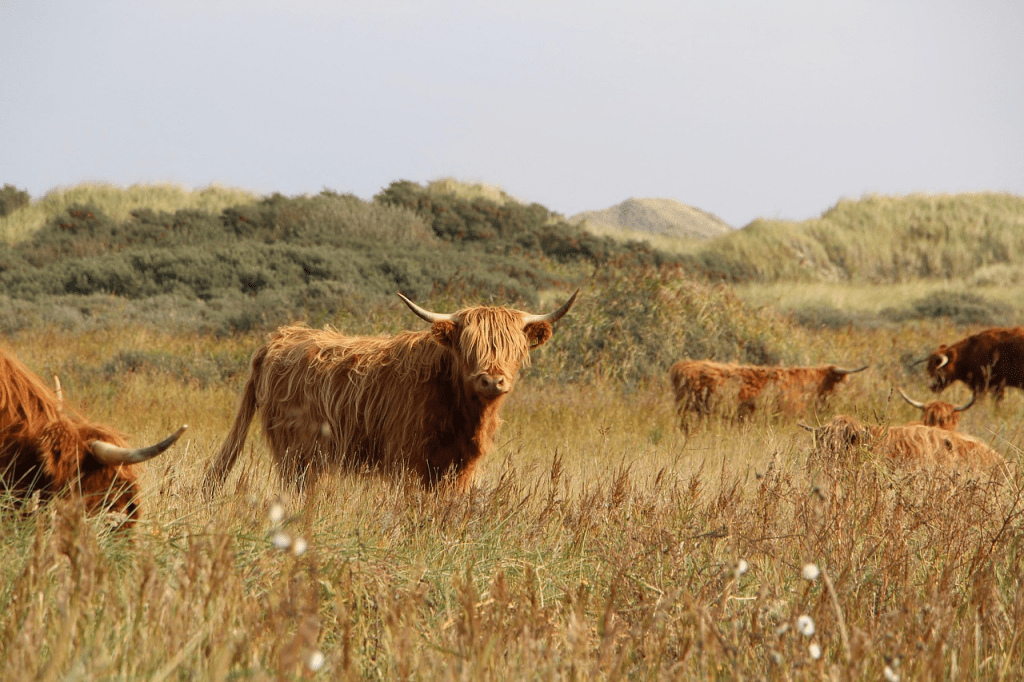
In the modern world, the role of the Highland cow has expanded from a survival-based livestock animal to a multi-purpose agricultural asset.
High-Quality Lean Beef
Despite their “pet-like” appearance, Highland cattle are primarily a beef breed. Because their hair provides insulation, they don’t grow the heavy layer of fat found in other breeds.
Studies from various agricultural universities have shown that Highland beef is:
- Lower in cholesterol than other types of beef.
- Higher in iron and protein.
- Exceptionally flavorful due to the slow growth rate of the animal.
Conservation Grazing
Highland cows are “non-selective” grazers. While a sheep or a horse might pick out the best grass and leave the rest, a Highland cow will eat tough brush, gorse, and thistles. This makes them perfect for conservation grazing, helping to manage overgrown land and encourage biodiversity by clearing space for wildflowers and native plants to grow.
Tourism and Branding
The “Coo” is a powerhouse of Scottish tourism. From calendars to plush toys, their image is a global brand. Many farms now offer “Highland Cow Safaris” or “Meet the Coo” experiences, where tourists pay to brush and feed these photogenic animals.
Temperament and Behavior: Are They Friendly?
One of the most common questions people ask is: Are Highland cows dangerous?
Despite their intimidating horns, Highland cattle are famous for their docile and calm temperament. They are generally less flighty than other beef breeds and are known for their intelligence.
Social Hierarchy
Highland cattle have a very clear social structure within the herd. There is usually a “dominant” cow who leads the group. They are deeply social animals and form strong bonds with one another.
Interaction with Humans
Because they are so calm, they are a favorite for “hobby farmers.” If handled regularly from a young age, they can be as affectionate as a large dog. However, like any animal, a mother cow (dam) can be very protective of her calf. If you see a Highland cow with a baby in the wild, it is always best to keep a respectful distance.
Reproduction and Mothering Instincts
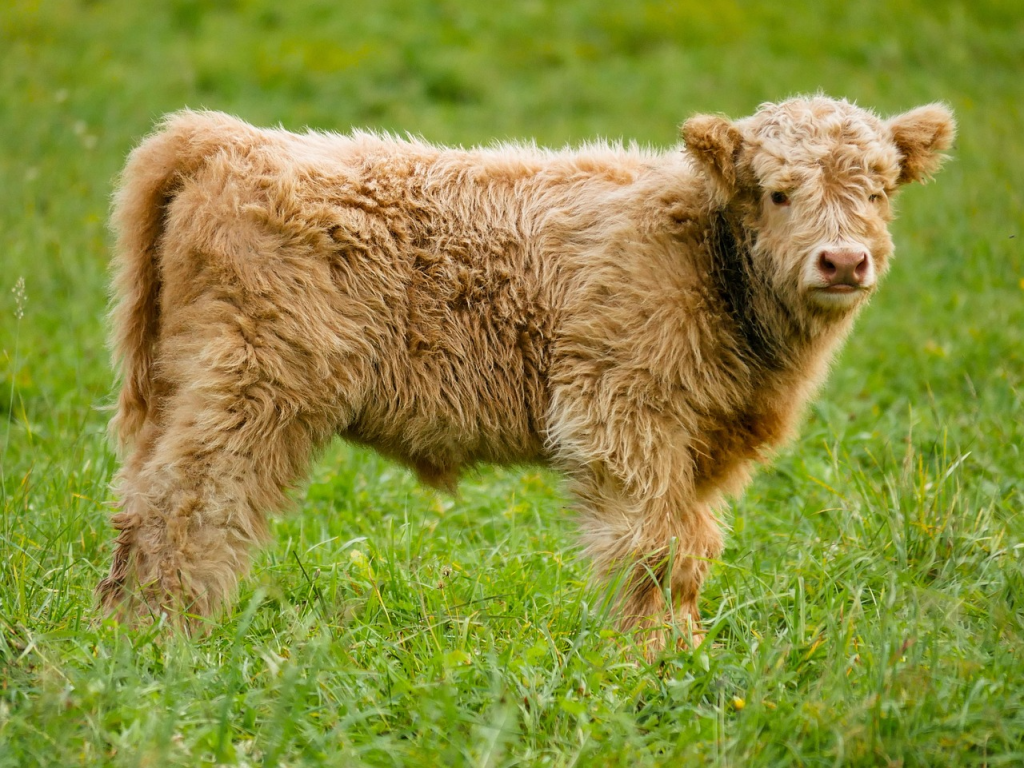
The reproductive cycle of the Highland cow is a testament to their “low-maintenance” reputation.
Ease of Calving
Highland cows are renowned for their ease of calving. Because they haven’t been over-bred for massive muscle mass like some commercial breeds, the calves are usually born small and agile. This reduces the need for veterinary intervention and “pulling” calves.
Exceptional Mothering
A Highland “dam” is fiercely loyal. They are known for having high-quality, rich milk that helps calves grow quickly despite harsh conditions. In the Highlands, it is common to see a “nursery” system where one or two cows watch over a group of calves while the other mothers graze further afield.
What Do Highland Cows Eat?
In their natural habitat, Highland cows are the ultimate “upcyclers” of the plant world. They can turn poor-quality forage into high-quality protein.
- Grass and Forbs: Their primary diet is natural pasture.
- Brush and Woody Plants: They will happily munch on willow, birch, and even prickly gorse.
- Winter Supplementation: While they are experts at finding food under snow, most farmers provide hay or silage during the deep winter months to ensure they maintain their weight.
Their ability to thrive on “marginal land” (land that isn’t good enough for crops) makes them one of the most sustainable cattle breeds for the future of farming.
Where Are Highland Cows Found Today?
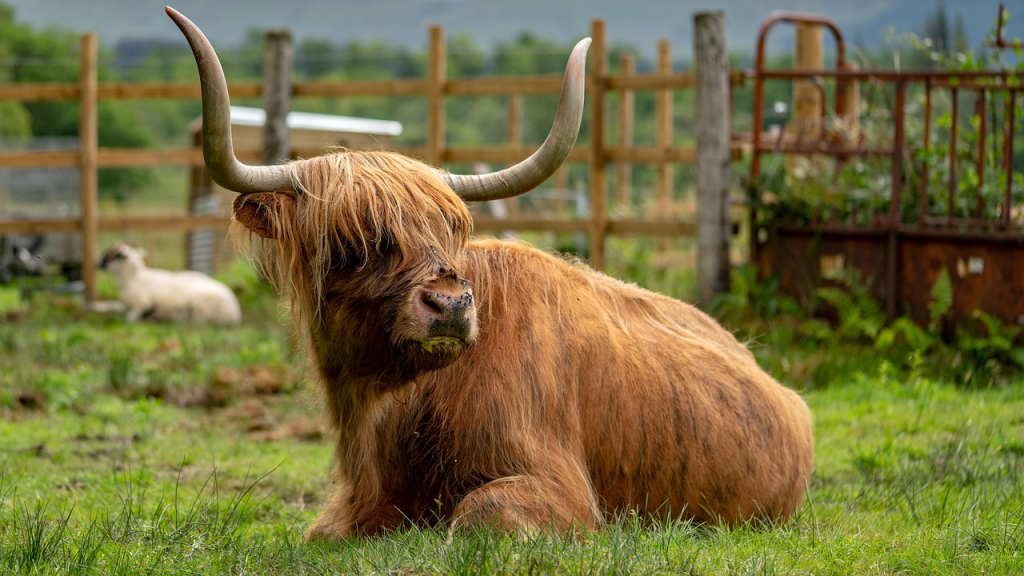
While Scotland is their spiritual home, the Highland cow has conquered the globe. Their adaptability to different climates (as long as it’s not too tropical) has led to thriving populations in:
- The United States: Particularly in colder states like Vermont, Montana, and Washington.
- Canada: Where the climate mirrors the harsh Scottish winters.
- Australia and New Zealand: Mostly in the cooler southern regions and Tasmania.
- Scandinavia: Where they are used extensively for forest management.
According to the American Highland Cattle Association, the breed is seeing a surge in popularity among smallholders who want a hardy, manageable animal that doesn’t require expensive housing or high-grain diets.
Managing and Grooming Highland Cattle
If you are planning to keep Highland cows as pets or for show, their unique coat requires a bit more attention than your average cow.
The Grooming Routine
For show animals, owners use specialized combs and blow-dryers to emphasize the “fluff.” Even for hobby farmers, regular brushing can help:
- Remove “dead” hair during the spring shed.
- Check for skin parasites like lice or mites.
- Strengthen the bond between the owner and the animal.
Horn Management
Because their horns are so large, the infrastructure of your farm needs to accommodate them. Standard cattle “head gates” often won’t work for Highlands. Specialized equipment or “walk-through” gates are necessary to ensure the animals don’t get stuck or injured.
Pros and Cons of Highland Cows
If you are considering adding these animals to your farm, it is important to understand both the benefits and the challenges.
| Feature | Pros | Cons |
| Hardiness | Can live outdoors year-round in freezing temps. | Can struggle in extreme heat/humidity. |
| Feed Costs | Thrive on low-quality forage and brush. | Grow slower than commercial breeds like Angus. |
| Temperament | Docile, easy to handle, and intelligent. | Can be protective of calves; horns need space. |
| Meat Quality | Lean, low-cholesterol, and high-flavor. | Smaller carcass size compared to modern breeds. |
| Aesthetics | Highly attractive, great for farm tourism. | Long hair requires grooming for shows or pets. |
Why Are Highland Cows So Popular?
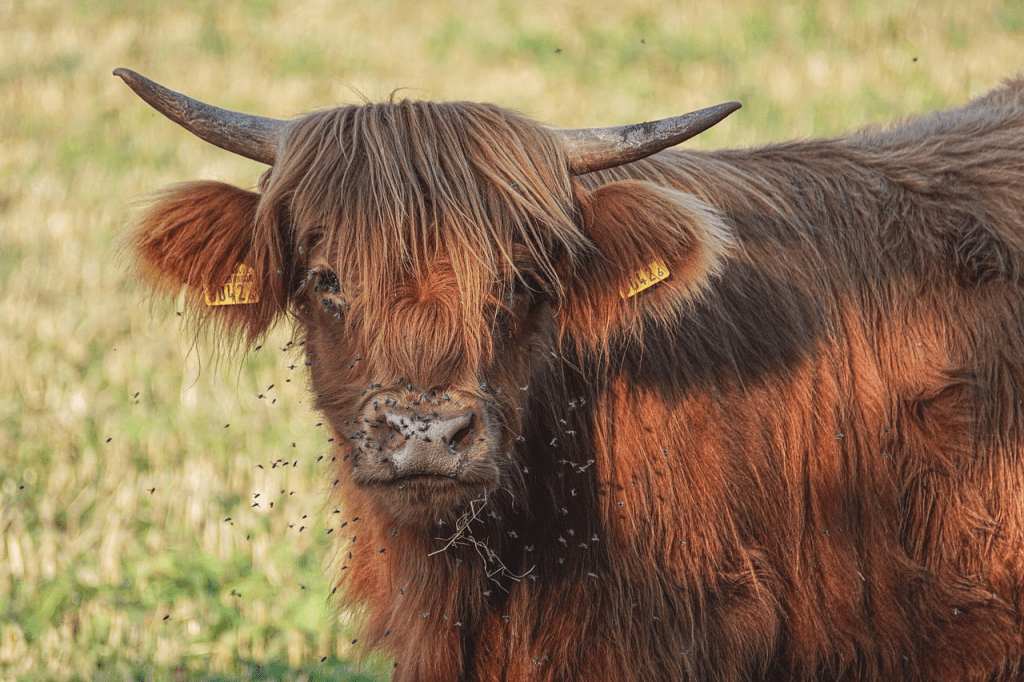
In the age of Instagram and TikTok, the Highland cow has reached a level of fame that no other farm animal can match. But why?
The “Cute” Factor
Psychologically, the Highland cow’s features—large eyes (even if hidden), a broad face, and a fuzzy texture—trigger a “baby schema” response in humans. This makes us perceive them as adorable and approachable, unlike the more “utilitarian” look of a Holstein.
A Symbol of the Wilderness
For many, the Highland cow represents a connection to a simpler, more rugged way of life. They are symbols of the “untamed” Scottish landscape, embodying a sense of freedom and endurance that resonates with modern urban dwellers.
Fun Facts About Highland Cows
- Dossan Power: That long fringe of hair covering their eyes is called a “dossan.” It protects their eyes from wind, rain, and biting insects.
- Longevity: Highland cows live longer than most breeds, often producing calves into their late teens or even early 20s.
- The Queen’s Choice: The late Queen Elizabeth II kept a prize-winning fold (the name for a group of Highland cattle) at Balmoral Castle.
- No “Herd”: You don’t call a group of Highland cows a “herd.” The correct term is a “fold”, named after the open-ended stone shelters they were kept in during winter.
- Ancient DNA: Archaeological evidence suggests that the Highland breed dates back to at least the 6th century.
- Swimming Champions: In the past, they were forced to swim across sea straits to get to markets, proving they are surprisingly good swimmers.
Final Thoughts: Why the Highland Cow Matters
Understanding what Highland cows are involves looking past their fluffy exterior. They are a link to our agricultural past and a potential solution for sustainable farming in the future.
Whether they are clearing brush on a conservation site, providing lean beef for a health-conscious market, or simply standing majestically in a misty glen for a photographer, Highland cattle are a testament to the beauty of natural adaptation.
Their gentle nature and rugged resilience make them one of the most rewarding breeds to raise and one of the most captivating to observe.
Frequently Asked Questions (FAQs)
Are Highland cows friendly?
Yes, they are known for being one of the most docile cattle breeds. They are generally calm and respond well to human interaction, though they should always be treated with respect due to their size and horns.
Can you own a Highland cow?
Absolutely. They are popular choices for small-scale farms and “hobby” farmers. However, they are social animals and should never be kept alone; they need at least one companion.
How long do Highland cows live?
Highland cattle are quite long-lived. It is not uncommon for a cow to live for 20 years, which is significantly longer than many other commercial beef breeds.
Why do they have long hair?
The long hair is a survival mechanism. It provides a waterproof outer layer and a warm inner layer, allowing them to survive in the wet, cold, and windy Scottish Highlands without needing man-made shelter.
Do they shed their hair in the summer?
Yes. During the warmer months, Highland cows will shed much of their thick undercoat. They may look a bit “scruffier” during the spring as they lose their winter fluff, often rubbing against trees or fences to help the process along.
Are Highland cows aggressive?
Generally, no. They have a very laid-back personality. However, any animal with 3-foot horns can be dangerous if startled, and mothers with new calves can be very protective. Proper handling and respect for their space are essential.
 Fluffy Highlands